Ozempic Foods to Avoid: 8 Trigger Foods and Safer Swaps
The Ozempic foods to avoid trigger nausea, bloating, and other side effects because Ozempic slows the stomach. Here is the full list of trigger foods, plus safer swaps that protect weight loss.
The main Ozempic foods to avoid are fried foods, high-fat meats (bacon, ribeye, sausage), sugary foods and added sugar, high-fat dairy, spicy foods, large portions of grains and beans, caffeine on an empty stomach, and oversized portions of anything. These trigger nausea, bloating, constipation, and diarrhea because semaglutide slows gastric emptying. The same list applies on Wegovy and largely on Mounjaro and Zepbound.
Why do certain foods cause side effects on Ozempic?
Ozempic slows gastric emptying, so food sits in the stomach longer than it used to. High-fat, sugary, spicy, and oversized meals are the hardest for a slowed gut to process, which is why they trigger nausea, bloating, constipation, and diarrhea. The same trigger list applies on Wegovy, Mounjaro, and Zepbound.
On Ozempic, the digestive system runs on a delay. Semaglutide (the active ingredient in both Ozempic and Wegovy) slows gastric emptying, which is the speed at which food moves out of the stomach. That delay is exactly why the medication works. The body signals fullness faster, calorie intake drops, and weight loss follows. But the delay is also why certain foods cause nausea, bloating, and other side effects. Anything the stomach struggles to process quickly sits there longer, and that is where the discomfort starts.
The Ozempic foods to avoid are not random. They are the items that consistently cause GI side effects in patients on semaglutide and other GLP-1 medications, especially during the first 48 hours after the weekly injection. Every category has a swap that tastes good and protects weight loss progress.
The Most Common Side Effects from Trigger Foods
The reactions are the same across most patients, even if the severity varies:
- Nausea (the most common, peaks day 1 to 2 after injection)
- Bloating and a heavy, overstuffed feeling that lingers for hours
- Constipation from low fiber intake combined with slow gut motility
- Diarrhea, especially after high-fat or sugary foods
- Heartburn and acid reflux from greasy or spicy foods
- Stomach pain or cramping when grains and beans are eaten in large amounts
- Fatigue and low energy when the stomach is overworked
These side effects are tightly linked to food choices. Most patients who track meals against symptoms find that 80% of the worst nausea and bloating comes from a small set of trigger foods, not the medication on its own.
Ozempic Foods to Avoid: 8 Trigger Categories
The 8 Ozempic foods to avoid are fried foods, high-fat meats, sugary foods and drinks, spicy foods, high-fat dairy, large portions of grains and beans, caffeine on an empty stomach, and oversized portions of any food. Each one causes nausea or bloating because semaglutide slows digestion.
This is the full list of Ozempic foods to avoid, with the reason each one causes problems and a safer swap. The same list applies on Wegovy. On Mounjaro and Zepbound (tirzepatide), most categories carry over, though some patients report slightly milder stomach side effects.
1. Fried Foods (Fries, Fried Chicken, Donuts)
Why it triggers side effects
Fried foods are loaded with fats that the slowed stomach cannot break down quickly. On semaglutide, that turns into nausea, bloating, and sometimes diarrhea within 30 to 45 minutes. The fat content is the issue, not the food itself.
Safer swap
Baked or air-fried versions. Sweet potato fries baked in the oven, roasted chicken breast instead of fried, a plain bagel with light cream cheese instead of a donut. Same texture, same craving handled, far less stomach impact.
2. High-Fat Meats and Red Meat (Bacon, Sausage, Ribeye, Burgers)
Why it triggers side effects
Fatty cuts of red meat, cured meats, and burgers with mayo sit in the stomach like a brick. The fat content overwhelms slowed digestion, and the result is heartburn, gas, and bloating. Red meat in particular is often flagged by dietitians as one of the worst triggers in the first weeks of Ozempic.
Safer swap
Lean proteins like chicken breast, ground turkey, 93/7 lean beef, or fish (cod, tilapia, salmon). For a burger, use extra-lean ground beef and skip the mayo. A grilled chicken sandwich works better than a ribeye on an injection day.
3. Sugary Foods, Added Sugar, and Sugary Drinks (Candy, Soda, Pastries, Cookies)
Why it triggers side effects
Added sugar on Ozempic often triggers queasy feelings and a spacey, dysphoric reaction. Semaglutide already affects blood sugar levels and insulin levels, so sugary drinks and high-glycemic-index foods cause sharper swings than they used to. Candy, soda, and pastries also offer almost no nutrition and tank the appetite for actual meals.
Safer swap
Lower-sugar treats and natural sweetness. Berries instead of candy, sparkling water with lemon instead of soda, a small piece of dark chocolate (80% or higher), Greek yogurt with a drizzle of honey. The craving is handled without the blood sugar crash.
4. Spicy Foods (Hot Peppers, Heavy Curry, Spicy Sauces)
Why it triggers side effects
Spice irritates a stomach that is already sensitive on semaglutide. What used to be tolerable can now trigger reflux, heartburn, and a wave of nausea, especially during the first 48 hours after each Ozempic injection.
Safer swap
Mild versions of the same dishes. Mild curry instead of hot, teriyaki instead of ghost-pepper salsa, pico de gallo on tacos instead of habanero hot sauce. The flavor stays, the side effects don't.
5. High-Fat Dairy (Creamy Sauces, Full-Fat Ice Cream, Loaded Mac and Cheese)
Why it triggers side effects
Cream-based sauces and high-fat dairy sit heavy in a slowed gut. A single serving of loaded mac and cheese can lead to hours of bloating, and full-fat ice cream is a frequent cause of nausea and diarrhea on Ozempic.
Safer swap
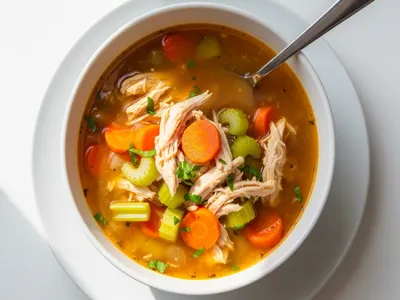
Lighter dairy or dairy-free alternatives. Tomato-based pasta sauces (marinara) instead of creamy ones, Greek yogurt instead of ice cream, reduced-fat cheese with less butter on mac and cheese, broth-based soups instead of cream soups. Same comfort food category, far easier on the stomach.
6. Large Portions of Grains and Beans (Whole Wheat Bread, Lentils, Chickpeas, Raw Veggies in Bulk)
Why it triggers side effects
Fiber from grains and legumes is normally a health win, but on a slowed gut, large portions cause gas, cramping, and constipation. Beans and raw vegetables in bulk are some of the most common culprits behind day-1 bloating on Ozempic.
Safer swap
Smaller portions and cooked versions. A slice of whole wheat toast is fine, but half a loaf is not. Cooked beans in moderation, peeled or steamed vegetables instead of raw salads, brown rice in a small portion. Cooking grains and vegetables breaks down some of the fiber and makes it easier to digest.
7. Caffeine on an Empty Stomach (Black Coffee, Strong Tea First Thing)
Why it triggers side effects
Caffeine is acidic, and on an empty stomach it triggers nausea for a high share of patients on GLP-1 medications. Combined with semaglutide's impact on the digestive system, that morning coffee can cause queasy feelings before breakfast even happens.
Safer swap
A few bites of food first, then coffee. Yogurt or toast before the cup makes a real difference. Cold brew is less acidic than hot drip. A latte with milk softens the caffeine spike. Save plain black coffee for days 5 to 7, when the body is more resilient.
8. Large Portions of Anything (Even Healthy Foods)
Why it triggers side effects
Appetite drops on semaglutide. Most patients still try to eat a pre-Ozempic portion size out of habit, and that overrides the body's new "full" signal. Overeating, even healthy food, causes nausea, reflux, and bloating that work directly against weight loss.
Safer swap
Smaller portions of the same foods. A normal dinner plate is now three-quarters full. Eat slower. Stop when satisfied, not stuffed. Sip water through the meal to help digestion. Two cups of food instead of four is the real change for patients on this treatment, not the type of food.
What are the safer food swaps on Ozempic?
Swap fried foods for baked or air-fried, fatty meats for chicken or fish, sugary drinks for sparkling water, full-fat dairy for Greek yogurt, hot spices for mild ones, raw vegetables for cooked, black coffee for a latte after food, and large plates for three-quarters portions. Same flavors, less stomach impact.
Here is the full list in one quick reference. Print it, save it, or screenshot it for the next grocery run.
| Avoid on Ozempic | Safer Swap |
|---|---|
| Fried foods (fries, fried chicken, donuts) | Baked or air-fried versions |
| High-fat meats and red meat (bacon, ribeye, sausage) | Lean proteins (chicken breast, turkey, fish) |
| Sugary foods, added sugar, sugary drinks | Berries, dark chocolate, sparkling water |
| Spicy foods (hot peppers, heavy curry) | Mild versions of the same dishes |
| High-fat dairy (cream sauces, full-fat ice cream) | Greek yogurt, marinara, broth-based soups |
| Large portions of grains and beans | Smaller portions, cooked over raw |
| Caffeine on an empty stomach | Eat first, or switch to cold brew or latte |
| Oversized portions of anything | Three-quarters of a normal plate |
What foods are good to eat on Ozempic?
The foods that work well on Ozempic are lean proteins (chicken breast, turkey, cod, eggs, tofu), plain carbs (white rice, toast, plain bagels), soft cooked vegetables, low-acid fruits like bananas and berries, plain Greek yogurt and cottage cheese, and broth-based soups. These process fast and stay easy on a slowed stomach.
Avoiding trigger foods is half the job. The other half is knowing which foods are easy on the stomach and good for weight loss at the same time. Most patients tolerate this list well, even on rough mornings.
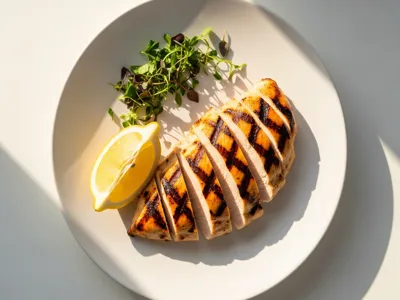
- Lean proteins: Chicken breast, turkey, cod, tilapia, ground turkey, egg whites, tofu. These process fast and don't sit heavy. See high-protein breakfast ideas and high-protein lunches for portion-controlled options.
- Plain carbs: White rice, white pasta, toast, plain bagels, pretzels. These are gentle and fill without volume.
- Soft vegetables: Mashed potatoes, roasted zucchini, steamed broccoli, carrots cooked soft. Raw veggies cause gas in many patients.
- Fruits: Bananas, berries, peaches, melon. Citrus can aggravate reflux, but most fruits are fine in moderate amounts.
- Plain dairy: Greek yogurt, cottage cheese, mild cheese. High-fat dairy is out, but plain stuff works.
- Broth-based soups: Chicken soup, vegetable broth, miso soup. Hydrating and easy on the stomach.
Which days after the Ozempic shot are worst for trigger foods?
Days 1 to 2 after the weekly injection are worst, because nausea peaks in the first 48 hours. Days 3 to 4 ease up, and days 5 to 7 are most forgiving. Save denser meals for later in the week and stick hardest to the avoid list early.
Stomach tolerance is not constant across the week on these medications. Knowing the rhythm is the difference between miserable afternoons and a steady week.
Days 1 to 2 After Injection (Peak Side Effects)
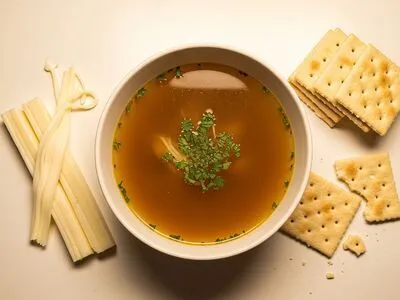
Stick to the avoid list hard. Lean protein, plain carbs, soft foods, cold items, broth-based soups. This is not the time to test the body with fried food or a spicy curry. Nausea, bloating, and stomach discomfort all peak in this window. The Ozempic nausea-friendly meals guide covers exactly what to eat on these days.
Days 3 to 4 (Effects Fading)
Tolerance starts coming back. A burger is more reasonable here than on day 1. Mild spices instead of hot. Small portions of richer meals start to work. Most patients can re-introduce moderate-fiber grains in this window.
Days 5 to 7 (Closest to Next Injection)
The body is most forgiving. Closer-to-normal portions. Fried items are tolerable. Spices don't hit as hard. This is when a "normal diet" mostly comes back, until the next injection resets the cycle.
This rhythm repeats every week. Planning meals against it, instead of fighting it, is what separates the patients who quit Ozempic in the first month from those who stick with it long enough to see real weight loss. The Ozempic week 1 meal plan is built around this exact pattern.
Can I Eat Eggs While on Ozempic?
Yes. Eggs are one of the best foods on Ozempic. They are high in protein, low in fat (especially egg whites), and they process fast even on injection days when nausea peaks. Most patients tolerate eggs better than almost any other protein source. Scrambled, poached, or boiled work better than fried, since the fried version pulls in the high-fat-foods problem from earlier in this list.
Two or three eggs with a slice of toast is a classic Ozempic-friendly breakfast. Add a little spinach or sliced tomatoes for nutrition without overloading the stomach.
Why Can't You Eat Pizza on Ozempic?
Pizza is one of the worst single foods on Ozempic, and not because of any one ingredient. It combines high-fat dairy, refined grains, and often greasy meats (pepperoni, sausage) in one slice. That stack is exactly the mix the slowed stomach struggles with most. The result is bloating, heartburn, and a queasy feeling that lasts hours.
Pizza is not permanently off-limits. A thin-crust slice with vegetables on day 5 to 7 of the weekly cycle is far easier on the stomach than a loaded slice on day 1. Cauliflower-crust pizza or a flatbread with chicken and a light cheese also work. The point is timing and portion, not abstinence.
What About Coffee, Diet Soda, and Other Drinks on Ozempic?
Drinks get less attention than food, but they cause a high share of side effects. Here is how the main beverage categories fit into the Ozempic foods to avoid framework.
Coffee and Caffeine
Coffee on an empty stomach is a top trigger for morning nausea. The fix is order, not abstinence. Eat first, then drink coffee. Cold brew is less acidic. A latte's milk softens the spike. Black coffee on an empty stomach is fine for most patients only on days 5 to 7.
Diet Soda and Carbonated Drinks
Diet soda doesn't carry the sugar problem, but the carbonation creates bloating in a slowed stomach. Many patients who switch from regular soda to diet soda still get the same gassy, full feeling. Sparkling water is gentler, but flat water is the safest choice on rough days.
Sugary Drinks (Juice, Soda, Sweetened Coffee)
These are some of the worst offenders. Liquid sugar hits blood sugar levels harder than solid food, especially on semaglutide, which already changes how glucose is processed. Skipping sugary drinks is one of the highest-leverage changes for both side effects and weight loss progress.
Do trigger foods affect Ozempic weight loss?
Yes. Trigger foods cause nausea that makes patients skip the next meal, then overeat later, which works against steady weight loss. Side effects from poor food choices are also a common reason people stop the medication early. Avoiding trigger foods keeps the stomach calm and the calorie deficit consistent week to week.
Avoiding trigger foods is not just about comfort. It directly affects weight loss results. When greasy or sugary foods cause nausea, most patients skip the next meal entirely, then overcompensate later. That cycle works against the steady, sustainable weight loss Ozempic is designed to support.
The GI side effects from poor food choices are also a common reason people stop treatment early. If every meal feels like punishment, the medication starts to feel like the problem. The truth is that most of those side effects come from the food, not the semaglutide itself. Patients who follow a structured diet around the injection cycle report far less nausea, fewer health issues, and better weight loss over time.
Semaglutide does the heavy lifting on appetite, blood sugar levels, and (for type 2 diabetes patients) glycemic control. The job on the food side is to give the body meals it can actually work with. When the diet is dialed in, weight loss happens more smoothly, side effects stay mild, and the protocol becomes sustainable. Adding light exercise (walking, strength training a few times a week) compounds the result.
What About Alcohol on Ozempic?
Alcohol is one of the items patients most often forget to ask about. On semaglutide, the body processes alcohol differently. Many patients report feeling alcohol faster and stronger than before. One glass of wine can hit like two or three.
There are three reasons alcohol hits harder on Ozempic:
- Semaglutide slows gastric emptying, which changes how alcohol absorbs.
- Smaller meals leave less food in the stomach to buffer the alcohol.
- Alcohol is empty calories, which works against the weight loss goal.
The blood sugar issue is real too. Ozempic helps regulate blood sugar, and alcohol can cause it to drop further. The combination can cause dizziness, shakiness, or fatigue. Sweet cocktails like margaritas and mixed drinks with soda are the worst offenders. They spike blood sugar, then crash it.
If alcohol stays in the diet, keep these rules:
- One drink, not more.
- Pick simple options (a glass of wine, a light beer) over sugary cocktails.
- Eat first, never on an empty stomach.
- Watch how the body reacts and adjust.
Many patients naturally lose interest in alcohol after starting Ozempic, which is a quiet bonus for progress.
Ozempic vs Wegovy vs Mounjaro: Do the Same Foods to Avoid Apply?
The short answer is yes, with small differences. The Ozempic foods to avoid list applies almost identically across the GLP-1 medication family, because all of them slow gastric emptying and trigger similar side effects.
Wegovy
Wegovy and Ozempic are the same drug (semaglutide) at different doses. Wegovy is FDA-approved specifically for weight loss, while Ozempic is approved for type 2 diabetes. The Ozempic foods to avoid list is the same on Wegovy. The Wegovy week 1 meal plan mirrors the Ozempic schedule for that reason. Patients on Wegovy who feel extreme appetite loss often need to focus more on getting enough protein than on cutting trigger foods.
Mounjaro and Zepbound
Mounjaro and Zepbound use tirzepatide, a different active ingredient that hits both GLP-1 and GIP receptors. Mounjaro is approved for type 2 diabetes, Zepbound for weight loss. Side effects are similar (nausea, bloating, constipation, diarrhea), and the same foods to avoid apply. Some patients on Mounjaro report slightly milder stomach impact than on Ozempic, but the trigger food list is essentially identical. The Mounjaro week 1 meal plan uses the same framework.
Other GLP-1 Medications (Trulicity, Rybelsus)
The same logic applies. Any medication that slows gastric emptying triggers the same set of GI side effects, and the same trigger food list protects against them.
What should I ask my doctor about Ozempic and diet?
Ask about current eating habits, any other health conditions that affect diet, severe or persistent side effects past 4 to 6 weeks, food and medication interactions, and a calorie target that supports steady weight loss. A registered dietitian can build a plan that keeps protein high and trigger foods low.
The diet on a GLP-1 medication is not something to figure out entirely alone. A few items are worth a direct conversation with a healthcare provider, especially in the first weeks of treatment.
Four topics are worth a direct conversation with a healthcare provider:
- Current eating habits and dietary needs. High-fiber diets, type 2 diabetes considerations, or kidney concerns can conflict with typical GLP-1 guidelines. A dietitian helps find balance.
- Severe or persistent side effects. If nausea, vomiting, constipation, or diarrhea don't improve after 4 to 6 weeks, that warrants a call. Sharp stomach pain or inability to keep food down is not normal.
- Food and medication interactions. Patients on blood pressure meds, blood sugar meds, or other prescriptions need a plan that works across all of them. A pharmacist can flag conflicts.
- Weight loss expectations and calorie targets. Eating enough of the right things matters as much as avoiding the wrong ones. A dietitian can build a target that keeps protein high, sugar low, and portions sized to the new appetite.
Frequently Asked Questions About Ozempic Foods to Avoid
What foods can't you eat while on Ozempic?
The main Ozempic foods to avoid are fried foods, high-fat meats (bacon, ribeye, sausage), sugary foods and added sugar, high-fat dairy, spicy foods, large portions of grains and beans, caffeine on an empty stomach, and oversized portions in general. These trigger nausea, bloating, constipation, and diarrhea.
Can I eat eggs while on Ozempic?
Yes. Eggs are high in protein, low in fat, and easy on the stomach. Most patients tolerate eggs even on day 1 after the injection. Scrambled, poached, or boiled work better than fried.
Why can't you eat pizza on Ozempic?
Pizza combines high-fat dairy, refined grains, and often greasy meats. That mix sits in the slowed stomach much longer and causes bloating, heartburn, and queasy feelings. A thin-crust slice with vegetables on day 5 to 7 is much easier than loaded pizza on day 1 or 2.
Are the same foods to avoid on Wegovy and Mounjaro?
Yes. Wegovy is the same drug as Ozempic (semaglutide), so the list is identical. Mounjaro and Zepbound (tirzepatide) trigger similar side effects, so the same trigger food list applies, with some patients reporting slightly milder impact.
Which days after the Ozempic injection are worst for trigger foods?
Days 1 to 3. Nausea peaks in the first 48 hours. Days 4 to 7 are more forgiving, and most patients can tolerate denser foods later in the week.
What should I do if I ate something I shouldn't have?
Sip water, walk around, and don't panic. Discomfort from a trigger food usually passes in 30 to 60 minutes. Note which day after injection it happened so the pattern is clear next week.
Can I eat normally again while on Ozempic?
Yes, mostly. As the body adjusts to semaglutide (usually 4 to 8 weeks), nausea decreases. Once the patient stops Ozempic, the stomach returns to normal. While on it, eating strategically around the injection cycle is what protects weight loss and keeps side effects mild.