Nausea-Friendly Meals for Ozempic | Gentle Foods That Actually Stay Down
What to eat when everything makes you queasy. 10 stomach-safe meals that still hit your protein targets — plus what to avoid and when the nausea usually stops.
When Ozempic GI discomfort hits, go cold, bland, and small. Protein-rich dairy, overnight oats, crackers with nut butter, broth-based soups, and protein shakes are your safest bets. Avoid anything greasy, spicy, or strong-smelling. Eat small portions every 3-4 hours instead of full meals. This side effect is usually worst in the first 48 hours after injection and during dose increases — it gets better.
Why Ozempic Makes You Nauseous (and When It Stops)
Semaglutide works by mimicking GLP-1, a hormone that tells your brain you're full. Part of how it does that is by slowing down gastric emptying — food sits in your gut longer. Your body isn't used to this. That disconnect between "I ate a normal amount" and "my digestive system is processing it at half speed" is what creates the queasy feeling.
It's not random. There's a pattern most people notice pretty quickly:
- Injection day + next 48 hours: Worst window. Your semaglutide levels are peaking. This is when queasiness, bloating, and "food aversion" hit hardest.
- Days 3-5: Noticeable improvement. Most people can eat closer to normal, though portions stay smaller.
- Days 6-7: Usually the best days. Right before the next injection, your levels are at their lowest.
This cycle is why blanket tips like "eat small meals" aren't enough. You need different diet strategies for day 1-2 versus day 5-6. The meals below are organized around that reality.
Why Ozempic Causes These Side Effects — And How Diet Helps
Ozempic was first approved as a treatment for type 2 diabetes. It helps control blood sugar and supports better metabolic health overall. But doctors quickly noticed that patients on semaglutide also experienced significant weight loss — which led to its widespread use for obesity and weight management.
The side effects you feel (nausea, bloating, GI discomfort) are tied directly to how the drug works. Semaglutide slows your digestive system, curbs appetite, and changes how your body processes foods. For people with diabetes or obesity, these effects are part of what makes the treatment so effective for weight loss. But they also mean your diet needs to adapt to protect your health.
Here are a few tips that make a real difference in your health while on Ozempic:
- Eat more vegetables — steamed or roasted vegetables like zucchini, carrots, and green beans are gentle on your gut and packed with nutrients your body needs during weight loss.
- Focus on lean protein — losing weight on Ozempic means you need to protect muscle mass. Protein at every meal is the best health advice anyone can give you.
- Don't cut calories too low — between reduced appetite and side effects, many people under-eat. This can stall weight loss and hurt your overall health. Aim for at least 1,200 calories even on bad days.
- Stay hydrated — fluids are critical. The effects of semaglutide on your digestive system mean you lose hydration faster than you think.
Whether your doctor prescribed Ozempic for type 2 diabetes, obesity, or general weight management, the diet advice is the same: eat small, eat often, and pick foods that work with the treatment instead of against it. That's how you keep making progress toward better health and steady weight loss.
10 Nausea-Friendly Meals That Still Hit Your Protein
These are sorted by how gentle they are — easiest on the gut first. Meals 1-4 are for your worst days (post-injection). Meals 5-10 are for when queasiness is present but manageable.
1. Ginger Protein Broth

When you can barely look at food, sipping is easier than chewing. Warm bone broth with fresh ginger is the single most recommended remedy for GI discomfort across GLP-1 communities. The ginger actively settles your gut while the broth delivers protein and electrolytes you're probably low on.
- 1.5 cups bone broth (chicken or beef — look for 10g+ protein per cup)
- 1 tsp fresh grated ginger (or 1/2 tsp ground)
- Pinch of salt
- Optional: squeeze of lemon
2. Cold Vanilla Protein Shake (No Blender)

Cold is your friend when stomach issues are bad. Hot foods produce more aroma, and aroma is what triggers the worst of it. A simple protein shake with ice-cold water is about as queasy-proof as it gets. Shake it in a bottle — the blender noise might be too much on a bad morning.
- 1 scoop vanilla whey isolate or plant protein
- 8-10 oz ice-cold water or unsweetened almond milk
- 3-4 ice cubes
- Sip slowly over 20-30 minutes — don't gulp
3. Saltine Crackers + Almond Butter
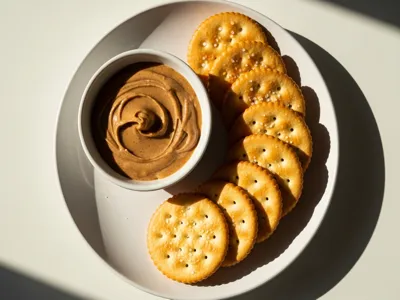
The pregnancy queasiness trick works for Ozempic side effects too. Plain saltines absorb digestive acid, and the salt helps if you've been under-eating. Adding a thin layer of almond or peanut butter gives you some protein and fat to slow the blood sugar spike. Not a full meal — more of an "I need something in me right now" option.
- 6 saltine crackers
- 1.5 tbsp almond butter or peanut butter
- Eat slowly, 1-2 crackers at a time
4. Plain Greek Yogurt + Honey
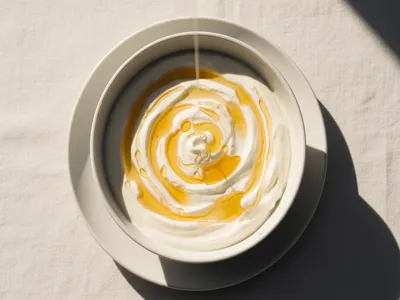
Cold, smooth, minimal smell. This protein-packed dairy is one of the few foods that's both high-protein and genuinely easy on an upset digestive system. The probiotics may actually help with the GI disruption semaglutide causes. Keep it plain — flavored options often have too much sugar, which can make queasiness worse.
- 3/4 cup plain Greek yogurt (2% or full fat)
- 1 tsp honey
- Optional: small sprinkle of cinnamon
5. Overnight Oats with Protein
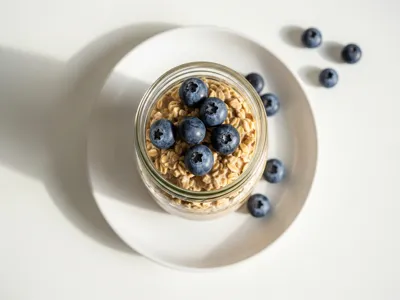
Made the night before, eaten cold from the fridge. The oats absorb liquid overnight, which makes them much softer and easier to digest than cooked oatmeal. Adding protein powder turns this from a carb-heavy breakfast into a balanced meal that supports your weight loss goals. The texture is smooth enough that it rarely triggers stomach issues if you eat slowly.
- 1/2 cup rolled oats
- 1 scoop vanilla protein powder
- 3/4 cup unsweetened almond milk
- Pinch of cinnamon
- Made night before, eaten cold
6. Chicken + Rice Soup (Low-Fat)

There's a reason this is what your grandmother made when you were sick. Simple chicken soup with white rice and vegetables is gentle, warm (not hot — let it cool to warm), and the salt and liquid help your body stay healthy and hydrated. The key is keeping it low-fat. Greasy chicken soup will backfire. Use pre-cooked chicken breast, not rotisserie with skin.
- 3 oz shredded chicken breast
- 1/3 cup white rice (cooked)
- 1.5 cups low-sodium chicken broth
- Diced carrots and celery (optional)
- Salt to taste
7. Banana + Cottage Cheese
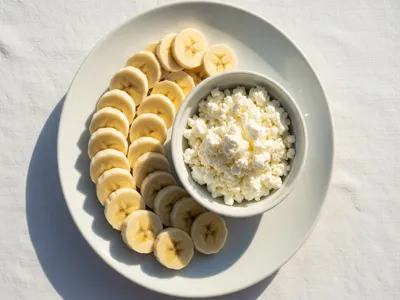
Bananas are a BRAT diet staple (Bananas, Rice, Applesauce, Toast) — the same approach health professionals recommend for gut bugs. They're easy to digest, rich in potassium, and their natural sweetness makes them tolerable even when nothing else sounds good. Cottage cheese adds protein without adding heaviness if you keep the portion small.
- 1 medium banana
- 1/2 cup low-fat cottage cheese
- Eat separately or mixed — both work
8. Scrambled Eggs (Soft, No Butter)

Eggs are incredibly easy to digest when cooked soft and without oil or butter. Use cooking spray and keep the heat low. The trick for queasy days: cook them until just set, not dry. Dry eggs are harder to get down. Add a tiny pinch of salt — your body probably needs it if you've been eating less than usual.
- 3 large eggs
- Cooking spray (no butter or oil)
- Pinch of salt
- Cook low and slow — take off heat while still slightly wet
9. Turkey + Avocado Rice Bowl
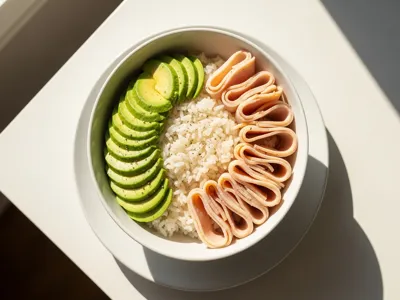
For days when queasiness is mild and you can handle a real meal. White rice is one of the easiest grains to digest, lean turkey is gentle protein, and a small amount of avocado adds healthy fat without the heaviness of oils or cheese. This combo supports weight loss and overall health. Keep portions modest — you can always eat more in an hour if you feel okay.
- 4 oz ground turkey (99% lean), cooked with a little salt
- 1/2 cup cooked white rice
- 1/4 avocado, sliced
- Squeeze of lime (citrus can help with nausea)
10. Baked Sweet Potato + Protein Topping

Sweet potatoes are naturally easy to digest and the mild sweetness is usually tolerable. Topping with a dollop of plain dairy instead of sour cream or butter keeps it gentle on your digestive system while adding protein. This works best for dinner on a mild day. Bake the potato ahead of time so you're not dealing with cooking smells when you're queasy.
- 1 medium sweet potato, baked
- 1/3 cup plain Greek yogurt
- Pinch of cinnamon and salt
- Optional: small drizzle of honey
What Makes Ozempic Side Effects Worse
Knowing what to eat matters. Knowing what to avoid might matter more. These are the most common triggers for GI discomfort reported across GLP-1 communities:
Foods and Habits That Trigger Stomach Issues
- Fried or greasy foods — the #1 trigger. Your slowed digestion can't handle heavy fat loads right now.
- Large portions — your gut capacity is genuinely smaller on semaglutide. Forcing a full plate will backfire.
- Spicy foods — irritates an already sensitive digestive system.
- Very sweet foods — sugar on an empty or sensitive gut spikes blood sugar and can worsen queasiness.
- Strong-smelling foods — aroma triggers nausea before you even eat. Cook with windows open or eat cold meals.
- Eating too fast — this one catches people off guard. Slowing down gives your gut time to signal fullness before you overload it.
- Lying down right after eating — gravity is your friend. Stay upright for 30+ minutes after meals.
- Carbonated drinks — the gas adds to bloating, which adds to queasiness. Still fluids, ginger tea, or diluted juice are better.
One pattern that isn't obvious: alcohol tolerance changes dramatically on Ozempic. Even small amounts that wouldn't have affected you before can trigger severe GI discomfort now. Many users report that 1-2 drinks feels like 4-5. Be cautious, especially in the first few months of treatment.
When to Talk to Your Doctor
Some nausea during Ozempic treatment is expected. But there's a line between "adjustment side effect" and "something that needs medical advice." Contact your prescriber if:
- You can't keep any foods or liquids down for more than 24 hours
- GI discomfort doesn't improve at all after 8+ weeks at the same dose
- You're losing weight faster than 1-2 lbs per week consistently
- You have severe abdominal pain (not just discomfort — actual pain)
- You notice signs of dehydration: dark urine, dizziness, rapid heartbeat
Your prescriber may adjust your dose timeline, recommend anti-nausea medication, or modify your injection schedule. Don't suffer through it silently — there are solutions beyond just eating differently. A check-in with your healthcare provider is always worth the visit for your health.
Frequently Asked Questions
How long does Ozempic nausea last?
For most people, this side effect is worst in the first 2-4 weeks and during dose increases. It typically peaks 24-48 hours after your weekly injection, then gradually fades. By week 4-6 at a stable dose, most users report that queasiness becomes manageable or disappears entirely. If it persists beyond 8 weeks at the same dose, seek medical advice from your prescriber.
What foods make Ozempic side effects worse?
Greasy, fried, and high-fat foods are the biggest triggers for GI discomfort on Ozempic. Spicy foods, very sweet foods, strong-smelling foods, and large portions also make it worse. Carbonated drinks can increase bloating for some users. The pattern most people notice: anything heavy, hot, or aromatic is harder to tolerate, especially in the first 48 hours after injection.
Should I eat when nauseous on Ozempic or skip meals?
Eat, but eat small. Skipping meals often makes Ozempic side effects worse because an empty gut produces more acid, and low blood sugar can amplify the queasy feeling. The trick is eating something small and bland every 3-4 hours rather than forcing a full meal. Even a few bites of crackers with peanut butter or a small cup of protein-rich dairy is better than nothing.
Does ginger actually help with Ozempic stomach issues?
Yes, ginger has real evidence behind it for GLP-1 related stomach issues. Ginger tea, ginger chews, and even ginger supplements have been shown to reduce queasiness in clinical settings. Many Ozempic users swear by sipping ginger tea 15-20 minutes before eating. It's not a miracle cure, but it takes the edge off enough to make eating possible.
Is Ozempic nausea a sign it's working?
Not exactly. Nausea is a common side effect of how semaglutide slows gastric emptying, but it's not a requirement for the medication to work. Plenty of people lose weight on Ozempic with zero queasiness. The nausea is your body adjusting to a new speed of digestion, not a signal of fat burning or effectiveness. If you have no GI discomfort, don't worry — the treatment is still working.