Wegovy Week 1 Meal Plan | What to Eat Your First Week
Starting Wegovy is about learning how your body responds. Here's a simple 7-day Wegovy meal plan so you can focus on adjusting, not stressing over what to cook.
During your first days on the 0.25mg starting dose, eat small meals built around lean protein and gentle carbs. Your appetite will likely drop within a day or two. The easiest foods early on are Greek yogurt, eggs, chicken breast, fish, cottage cheese, rice, toast, and bananas. Skip fried dishes, greasy meals, spicy plates, and alcohol. Even when you're not hungry, aim for at least 80g of protein daily to protect your muscles.
What Happens During Your First Days on Wegovy
Your first Wegovy injection is 0.25mg, the same starting dose as Ozempic. Wegovy is approved for weight management (not diabetes like Ozempic), but the active ingredient is identical: semaglutide. Talk to your doctor about what to expect at this dose. Early on, both medications feel the same.
Here's what most folks notice in the first few days:
Your appetite disappears faster than you expect. Some feel it within hours. Others wake up the next day and realize they forgot about breakfast. Your GLP-1 slows how quickly your stomach empties and tells your brain you're satisfied. The result is you go from normal hunger to "I could skip this meal" almost overnight.
Eating preferences shift. Sweet things taste too sweet. Greasy dishes suddenly seem unappealing. Some describe their body sending clear signals about what it does and doesn't want. Not everyone gets this early on, but it's common enough that you should pay attention when certain foods start sounding wrong.
Mild nausea might show up. About 40-50% of folks get some queasiness in the first days. At the 0.25mg dose, it's usually not severe — more like mild motion sickness. It tends to peak 1-2 days after your injection, then fade by day 4 or 5.
This is all normal. Wegovy is doing what semaglutide is designed to do. Your job right now is to eat enough protein to preserve your muscle, stay hydrated, avoid processed foods, and figure out which foods your stomach tolerates best. This Wegovy meal plan is built around those goals.
Your Complete 7-Day Meal Plan
This guide starts the day after your first injection (day 1). Every meal includes at least 25g P. Everything is gentle on your stomach. Nothing takes more than 15 minutes to make.
Breakfast: Greek Yogurt Bowl
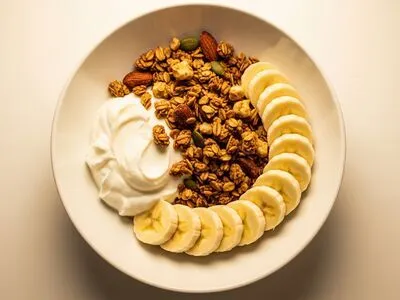
1 cup plain Greek yogurt, 1/4 cup granola, handful of blueberries, drizzle of honey. (28g P, 310 cal)
Lunch: Simple Chicken + Rice
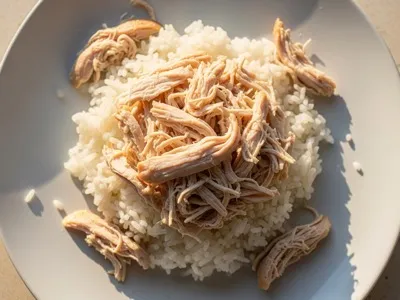
3 oz grilled chicken breast, 1/2 cup white rice, steamed broccoli. Light soy sauce. (29g P, 330 cal)
Dinner: Scrambled Eggs + Toast
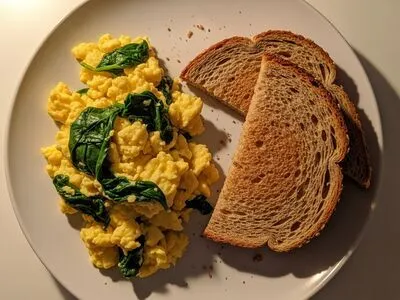
3 eggs scrambled with butter, 1 slice whole wheat toast, sliced tomato. (21g P, 320 cal)
You'll probably notice your appetite is lower today. Eat less if a full plate feels like too much.
Breakfast: Protein Smoothie
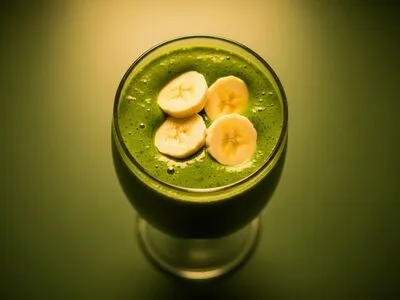
1 scoop vanilla protein powder, 1/2 banana, almond milk, ice. Sip slowly. (30g P, 280 cal)
Lunch: Cottage Cheese + Crackers
1 cup cottage cheese, 6-8 whole wheat crackers, cucumber slices. (26g P, 280 cal)
Dinner: Baked Fish
4 oz tilapia or cod, baked with lemon and dill. Side of steamed green beans. (28g P, 220 cal)
This is often the roughest day for queasiness. Cold or room-temperature dishes usually go down easier than hot ones. Split meals into smaller amounts if needed.
Breakfast: Overnight Oats with Protein
1/2 cup oats, 1 scoop protein powder, almond milk, chia seeds, cinnamon. Prep the night before. (30g P, 340 cal)
Lunch: Turkey + Avocado Wrap
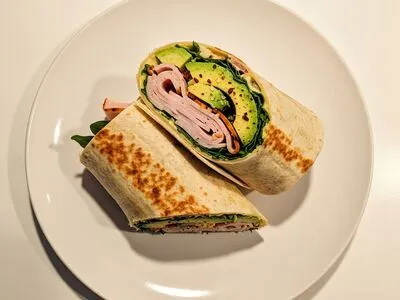
3 oz deli turkey, 1/4 avocado, lettuce, tomato, whole wheat tortilla. (26g P, 340 cal)
Dinner: Chicken Stir-Fry (light)
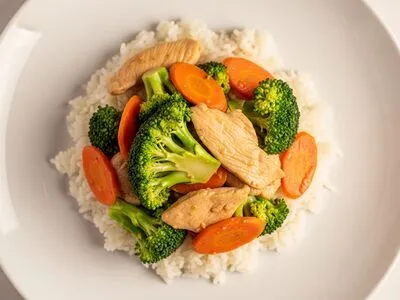
4 oz chicken breast, mixed vegetables, light teriyaki sauce, 1/2 cup rice. (32g P, 380 cal)
Most folks feel much better by day 3. Any queasiness should be mild or gone. You're still not as hungry as normal, but eating sounds more appealing.
Breakfast: Egg Muffin Cups (3)
Batch-prepped egg cups with spinach and cheese. Reheat 30 seconds in microwave. (30g P, 280 cal)
Lunch: Tuna Salad Lettuce Wraps
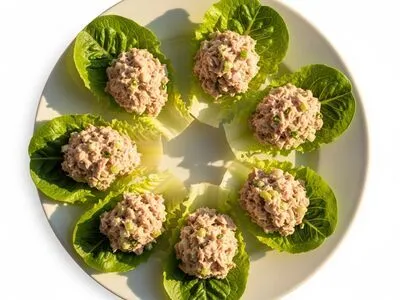
1 can tuna, light mayo, diced celery, wrapped in butter lettuce leaves. (30g P, 260 cal)
Dinner: Ground Turkey Tacos
4 oz seasoned ground turkey, corn tortillas, salsa, plain Greek yogurt instead of sour cream. (28g P, 350 cal)
Breakfast: Cottage Cheese + Fruit
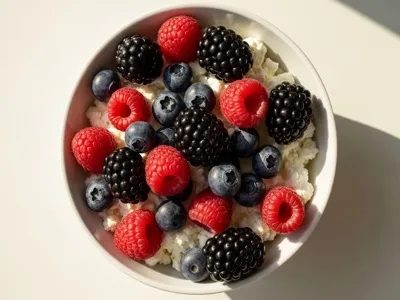
1 cup cottage cheese, diced peach or pineapple, sprinkle of almonds. (27g P, 250 cal)
Lunch: Chicken Caesar (light dressing)
4 oz grilled chicken, romaine, parmesan, 1 tbsp Caesar dressing, croutons. (34g P, 360 cal)
Dinner: Salmon + Sweet Potato
4 oz baked salmon, 1/2 medium sweet potato, roasted asparagus. (30g P, 380 cal)
Breakfast: Peanut Butter Protein Shake
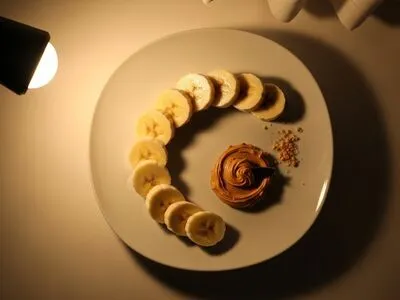
1 scoop chocolate protein, 1 tbsp peanut butter, banana, almond milk. (35g P, 380 cal)
Lunch: Shrimp + Quinoa Bowl
4 oz shrimp, 1/2 cup quinoa, cucumber, cherry tomatoes, lemon vinaigrette. (28g P, 340 cal)
Dinner: Baked Chicken Thigh + Vegetables
1 bone-in chicken thigh (skin removed), roasted zucchini and bell peppers. (28g P, 320 cal)
Day 6 is usually when you feel most like yourself. Good day to meal prep for what's ahead.
Breakfast: Smoked Salmon Toast
3 oz smoked salmon, cream cheese, capers, red onion, everything bagel seasoning on whole grain toast. (27g P, 320 cal)
Lunch: Black Bean + Chicken Bowl
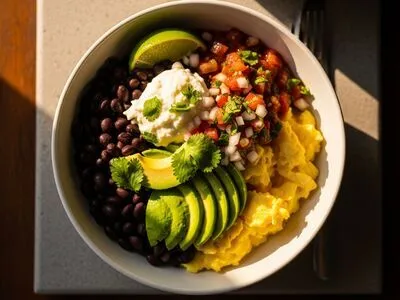
3 oz chicken, 1/2 cup black beans, rice, pico de gallo, lime. (32g P, 380 cal)
Dinner: Turkey Meatballs + Marinara
4-5 turkey meatballs (ground turkey, breadcrumbs, egg, Italian seasoning), light marinara, small side of pasta or zucchini noodles. (30g P, 360 cal)
Tomorrow is your second injection. Prep easy dishes tonight — overnight oats, yogurt, shakes — so the tough days are easier.
Foods to Skip Early On
Your stomach is adjusting to slower digestion. These foods make that transition harder:
Fried and greasy dishes. Fries, fried chicken, fast-food burgers, anything deep-fried. Fat naturally slows digestion. The medication slows it even more. Together, they create a backed-up feeling that can last hours. It's not worth it.
Heavily spiced dishes. Your GI system is more sensitive right now. That spicy curry you normally love might not agree with you during the first days. Dial back the heat until you know how your body responds.
Oversized plates. Even healthy meals become a problem when you eat too much. Your brain is getting different fullness signals than it used to. A normal-sized plate from before will feel like way too much now. Start with half your usual amount and wait 20 minutes before going back for more.
Sugary drinks. Soda, juice, sweet tea. Empty calories that spike your blood sugar — the opposite of what your GLP-1 is trying to do. Stick to water, unsweetened tea, or black coffee.
Alcohol. Skip it for the first days at least. The medication can make alcohol hit harder and faster than you're used to. Many folks report getting intoxicated on less than normal. Plus it can worsen side effects. Wait until you know how your body responds.
Why Protein Matters More Than Calories
You'll hear a lot about calorie counting when you start the medication. Forget about it for now. Your hunger is going to naturally decrease — that's your GLP-1 working. You don't need to restrict on top of that.
What you do need to track is protein. Here's why:
When you lose weight quickly (and many folks drop 3-5 lbs in the first days, mostly water), your body breaks down muscle for energy unless you give it enough protein to prevent that. Research on GLP-1 weight loss shows that without enough of it in your diet, up to 40% of weight lost can come from lean mass. That's the exact opposite of what you want.
The goal: 80-100g per day, minimum. Across 3 meals, that's roughly 25-35g each. Every meal in this plan hits that range.
If you're struggling to hit that number, shakes are your best friend. A quick shake adds 25-30g in under a minute, even on mornings when chewing sounds unappealing.
Hydration: The Thing Everyone Forgets
The medication reduces your hunger. It does nothing to reduce your need for water. Many side effects folks blame on the drug — headaches, fatigue, constipation, dizziness — are actually just dehydration.
Aim for at least 64 oz of water daily. More if you drink coffee (it's a diuretic). Practical tips: keep a water bottle at your desk and finish it twice before lunch, set a phone reminder every 2 hours, or add lemon or cucumber if plain water is boring.
Electrolytes help too. When you eat less, you take in fewer natural electrolytes. A sugar-free electrolyte drink or a pinch of salt in your water can prevent that drained, foggy feeling that hits many folks in the first days. People who stay on top of hydration from day one tend to have fewer side effects overall and feel more like themselves during the adjustment period. It's one of those small habits that makes a big difference.
Snacking on Your GLP-1: What to Eat Between Meals
A lot of guides skip this topic, but snacks matter — especially when your appetite is unpredictable. Some days you'll barely finish a meal. Other days, you'll hit a gap between lunch and dinner where your energy crashes. Having the right snacks on hand keeps your blood sugar steady and your health on track.
The best snacks during the first days share three traits: they're high in protein, they include fiber, and they're easy on your stomach. Here are go-to options that check all the boxes:
- Greek yogurt with berries. About 15g in a single cup, plus roughage from the fruit. Keep a few containers in the fridge so you always have a snack ready.
- Hard-boiled eggs. Two eggs give you 12g. Prep a batch on Sunday and grab them all through the first days. Sprinkle with salt or everything bagel seasoning.
- String cheese and an apple. Quick, portable, and balanced. The cheese brings staying power while the apple adds natural sweetness.
- Cottage cheese with cucumber. Light, cool, and gentle on your stomach. Add a pinch of black pepper or dill.
- Trail mix (small handful). Almonds, walnuts, and a few dark chocolate chips. Good fats and enough calories to bridge the gap without feeling heavy.
- Hummus and veggie sticks. Carrots, celery, and bell peppers dipped in hummus. A great meatless option too.
- Low-sugar bar. Look for bars with at least 15g and under 5g of sugar. These are a lifesaver when you're out running errands and realize you haven't eaten.
Aim for 1-2 snacks per day, especially if your meals are on the smaller side. Snacking isn't cheating — it's how you keep your energy up and hit your daily target without forcing yourself through a big dinner. Many folks find that a mid-afternoon snack around 3 PM prevents the energy crash that leads to poor choices at dinner. Keep it simple: if you had a lighter lunch, go for something with more staying power like cottage cheese or a handful of nuts. If lunch was solid, a piece of fruit or a few veggie sticks will do.
Weight Loss, Health, and What to Expect
Let's talk about what's actually realistic. During the first days on the 0.25mg dose, most folks lose 2-5 pounds. That sounds exciting, but the truth is most of it is water weight. Real fat loss kicks in over the coming months as your dose gradually increases.
That said, the health benefits start right away — even before the scale moves much. Your blood sugar stabilizes. You start choosing more balanced meals. You become more aware of what goes into your body. These small shifts add up fast. Some folks also notice better sleep, more energy during the day, and less joint pain as the pounds come off. Your overall well-being improves in ways the scale can't measure.
Here's a realistic timeline for weight loss on the medication:
- First days (0.25mg): 2-5 lbs, mostly water. Your body is adjusting.
- Month 1-2: 4-8 lbs total. Fat loss begins as your diet naturally improves.
- Month 3-6: This is where the real change happens. Most see 10-15% of their starting weight gone by month 6.
Side effects are part of the deal, especially early on. Queasiness is the most common one — about half of all users feel it during the first days. Other side effects include constipation, headaches, and fatigue. Most of these fade as your body adapts. Staying hydrated, adding fiber to meals, and keeping portions small all help manage them.
One thing worth mentioning: talk to a dietitian if you can. They can help tailor your eating plan to your specific health goals, especially if you have conditions like diabetes or high blood pressure. A good dietitian can also make sure you're getting enough vitamins and minerals when your overall intake drops.
Weight loss on a GLP-1 is a marathon, not a sprint. The folks who do best are the ones who focus on building healthy habits — steady protein, regular movement, and well-rounded meals — rather than chasing a number on the scale.
Building a Balanced Plate That Works for You
You don't need to follow a strict plan to succeed on this medication. What works is a simple formula for every meal: fill half your plate with vegetables, a quarter with lean protein, and a quarter with a complex carb. That simple approach takes the guesswork out of eating well.
Here's what that looks like in practice:
- Vegetables: Steamed broccoli, roasted zucchini, a side salad, sauteed spinach. Cooked veggies are usually easier on the stomach than raw ones early on.
- Lean meats and alternatives: Chicken breast, fish, eggs, cottage cheese, turkey, shrimp. Aim for baked or grilled — not fried.
- Complex carbs: Brown rice, sweet potato, whole wheat toast, quinoa. These give you steady energy and fiber without spiking your blood sugar.
If you're curious about plant-based options, lentils, black beans, chickpeas, and tofu are all great sources of both staying power and roughage. They work in bowls, wraps, and stir-fries. Even swapping one meal a day to a meatless option adds variety and supports your overall health.
The key is to feel full without feeling stuffed. When you build well-rounded meals, you stay satisfied longer and avoid that crash-and-crave cycle. Over time, this style of eating becomes second nature — and it supports your long-term health whether you stay on the medication or not.
Frequently Asked Questions
What should I eat the first days on the medication?
Focus on gentle, protein-rich meals that are easy to digest. Greek yogurt, eggs, chicken, fish, and cottage cheese work well early on. Avoid greasy, fried, or heavily spiced dishes — they can upset your stomach on the 0.25mg starting dose. Eat slowly, and stop when you feel satisfied rather than full.
Is nausea normal when starting out?
Yes, about 40-50% of folks experience mild queasiness during the first days. At the 0.25mg starting dose, it's usually manageable — often worse 1-2 days after injection and improving by day 4. Cold dishes, small meals, and avoiding greasy plates help. Most find it improves with each dose.
How much protein do I need on this meal plan?
Aim for 80-100g daily, spread across your meals and snacks. That's about 25-30g per meal. When your hunger drops, your body can break down muscle for energy unless you give it enough. Shakes, Greek yogurt, eggs, and lean meats help you hit this target even when you're not hungry.
Will I see weight loss during the first days?
Many folks lose 2-5 pounds early on, though most of that is water weight. The 0.25mg dose is low enough that dramatic fat loss isn't typical yet. The weight loss effect builds gradually as your dose increases over the first few months. This phase is about adjustment, not dramatic results.
Can I eat normally on the medication?
Your definition of "normal" will change quickly. Even at the low starting dose, most find their hunger drops significantly within 24-48 hours. You'll likely eat smaller amounts than before without trying. Listen to your body — when you feel satisfied, stop eating. Forcing yourself to finish meals can lead to uncomfortable fullness.
What snacks are best while on a GLP-1?
The best snacks combine protein and fiber — Greek yogurt with berries, hard-boiled eggs, string cheese with an apple, or hummus with veggie sticks. Aim for 1-2 snacks per day, especially if your meals are small. Having snacks prepped and ready makes it easier to stay nourished when your appetite is low.
Should I see a dietitian while on the medication?
If you can, yes. A registered dietitian can help tailor your meals to your health goals and make sure you're getting the right vitamins and minerals. This is especially helpful if you have other conditions like diabetes or high blood pressure, or if you want to make sure your nutrition stays balanced overall.