Mounjaro Week 1 Meal Plan | Ease Into Your First Days With Confidence
Mounjaro hits different than other GLP-1s because it's actually working two pathways at once. Your first days are about understanding what your body wants, eating right, and keeping your muscles intact while you start losing weight.
Starting Mounjaro (2.5mg dose) means your appetite is going to drop — sometimes significantly, sometimes gradually. The sweet spot for meals is lean proteins + something simple like rice or toast, eaten slowly. Best foods: grilled chicken, baked fish, eggs, vegetables, plain Greek yogurt, white rice, bananas. Avoid fried food, heavy cream sauces, spicy things, and anything you normally can't digest quickly. Target 80g+ daily from protein-rich foods. You might feel a bit off for 2-3 days after your injection, but side effects from this medication are often gentler than semaglutide because tirzepatide works through both GIP and GLP-1 receptors.
What's Different About Mounjaro Early On
Let's be real: Mounjaro is not semaglutide. Same GLP-1 action, but tirzepatide also activates your GIP receptors, which semaglutide doesn't. That dual mechanism changes everything about how your body responds — and it's a big reason weight loss tends to be faster.
Your 2.5mg starting dose is actually a bigger step than Ozempic's 0.25mg. But here's the thing — for some people, the hunger suppression feels less aggressive because the mechanism is different. For others, it's just as potent. There's no way to predict which camp you're in until day 1.
Your appetite will drop. This usually happens within 12-48 hours. You might wake up on day 2 wondering why that breakfast sandwich you normally crush looks gigantic. Or you might stay relatively hungry but notice you get full way faster. Either way, eat smaller portions than usual.
Your stomach might feel weird. Not necessarily nausea — though about 30-40% of people do get some side effects. It's more like feeling full without eating much, or feeling slightly off after meals. This is your GI tract adjusting to slowed gastric emptying. It passes.
Some things will suddenly not appeal to you. The dual GIP/GLP-1 action seems to flip switches in your brain about what you want. Greasy food? Probably going to be a hard pass. Lean proteins and veggies? Might actually appeal to you. Go with it.
How Mounjaro Affects Your Diet in the First Days
Before we get into the actual eating guide, it helps to understand what Mounjaro is doing inside your body — and why certain things suddenly feel wrong.
Mounjaro was originally developed as a diabetes treatment. It helps control glucose levels by mimicking two hormones your body naturally produces (GLP-1 and GIP). But the weight loss side effect turned out to be so significant that it became a game-changer for anyone trying to lose weight, even without a diagnosis.
Here's what happens when you start taking Mounjaro:
- Your stomach empties slower. Food sits in your stomach longer, which means you feel full faster and stay full longer. This is great for weight loss, but it also means heavy or greasy meals can make you feel awful.
- Your glucose stays more stable. Even without a diagnosis, the improved regulation means fewer energy crashes and less "hangry" snacking. This makes it easier to eat well.
- Your brain gets different hunger signals. Mounjaro changes how your brain processes appetite. Things you used to crave (especially sugary or fried stuff) might not sound appealing anymore.
- Side effects peak early. Nausea, bloating, and feeling "off" are most common in the first 2-3 days after injection. These side effects usually fade by day 5. Eating well makes a huge difference in how rough those days feel.
The good news? Most side effects get better each time. By your second or third injection, your body has figured out the rhythm. The key to getting through those first days is keeping portions small, healthy, and focused on what's easy on your stomach.
This is also why having structure matters so much early on. When you're not feeling great, the last thing you want to do is stand in the kitchen trying to figure out what to eat. Knowing exactly what's for breakfast, lunch, and dinner removes that guesswork entirely.
Your 7-Day Mounjaro Meal Plan for the First Days
This guide assumes you injected on day 0 (Friday evening). Every meal is built around at least 25g of amino acids. Nothing is heavy or hard to digest. You can prep most of these in under 10 minutes.
Breakfast: Soft Scrambled Eggs + Toast

2 eggs with a splash of milk, scrambled low and slow. 1 slice white toast with a little butter. (15g, 260 cal)
Lunch: Rotisserie Chicken + White Rice
3 oz shredded chicken breast, 1/2 cup white rice, a bit of salt. That's it. (28g, 300 cal)
Dinner: Baked White Fish + Steamed Veggies
4 oz cod or halibut, baked plain with lemon juice. Small side of steamed broccoli and zucchini with a pinch of salt. (30g, 200 cal)
You're probably noticing your appetite is lower than yesterday. Eat what you can. This whole day might feel uncomfortable — that's the injection doing its thing.
Breakfast: Plain Greek Yogurt + Honey
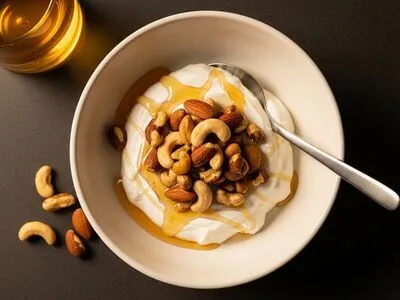
1 cup plain, non-flavored Greek yogurt. Drizzle of raw honey. Small handful of berries on the side. (18g, 240 cal)
Lunch: Simple Egg Salad on Rice Cakes
2 hard-boiled eggs mixed with a tiny bit of mayo and salt. 2-3 plain rice cakes for scooping. (13g, 240 cal)
Dinner: Chicken Broth Soup with Veggies
Low-sodium chicken broth with shredded rotisserie chicken (3 oz), noodles, and diced carrots and celery. Warm, comforting, easy on the stomach. (26g, 180 cal)
This is usually the toughest day. If nothing hot appeals to you, have cold yogurt, Greek salad with feta, or a smoothie instead. Listen to what your body wants.
Breakfast: Banana Egg Pancakes (simple)

Mash 1 banana, mix with 2 eggs and 1/2 tsp vanilla. Cook on griddle. Top with a tiny bit of almond butter. (18g, 280 cal)
Lunch: Turkey + Avocado Sandwich
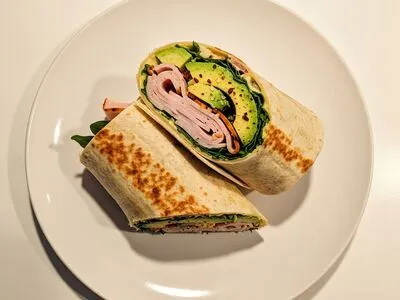
3 oz deli turkey, 1/4 avocado, lettuce, tomato, whole wheat bread. Light mayo. (26g, 320 cal)
Dinner: Grilled Chicken + Sweet Potato + Greens
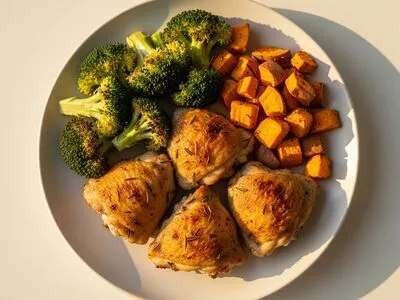
4 oz grilled chicken breast, 1/2 medium sweet potato, steamed green beans and roasted cauliflower. (32g, 340 cal)
By day 3, most folks feel noticeably more "normal." Your appetite is still suppressed, but nausea is usually gone or very mild.
Breakfast: Cottage Cheese Bowl
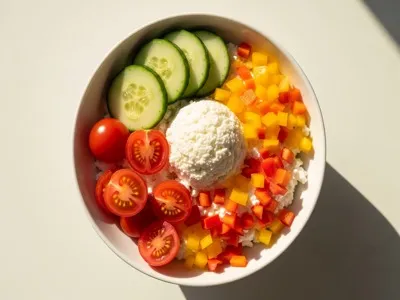
1 cup cottage cheese, sliced peaches, small handful of granola, squeeze of honey. (28g, 310 cal)
Lunch: Tuna Lettuce Wraps
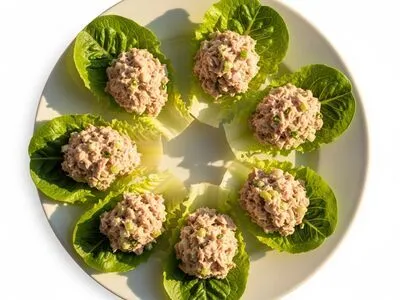
1 can tuna in water (drained), light mayo, diced celery, wrapped in 4-5 butter lettuce leaves. Side of crackers. (28g, 240 cal)
Dinner: Lean Ground Turkey Tacos
4 oz ground turkey (93/7), two small corn tortillas, salsa, diced onion, and plain Greek yogurt instead of sour cream. (30g, 300 cal)
Breakfast: Veggie Egg Scramble

3 eggs scrambled with diced bell pepper and spinach. 1 slice whole grain toast. (26g, 300 cal)
Lunch: Grilled Chicken Salad
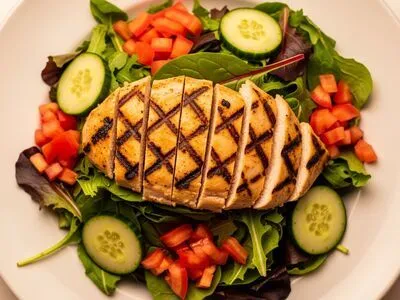
4 oz grilled chicken, romaine, cherry tomatoes, cucumber, olive oil + vinegar dressing. (32g, 280 cal)
Dinner: Baked Salmon + Rice
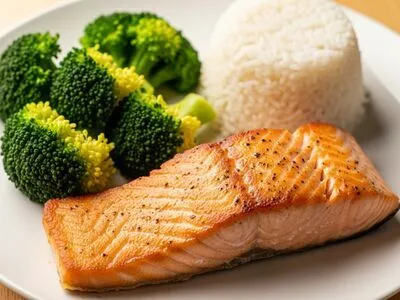
4 oz salmon fillet, 1/2 cup white or brown rice, roasted asparagus and steamed greens. (34g, 380 cal)
Breakfast: Peanut Butter Smoothie
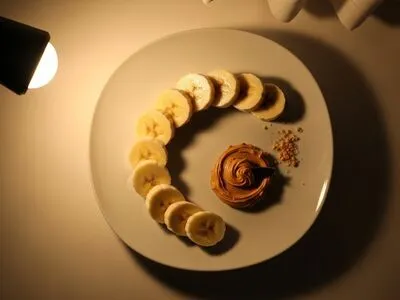
1 scoop vanilla powder, 1 tbsp peanut butter, banana, unsweetened almond milk. (32g, 340 cal)
Lunch: Shrimp + Brown Rice
5 oz grilled shrimp, 1/2 cup brown rice, steamed snap peas, light sesame oil. (28g, 320 cal)
Dinner: Chicken Thighs + Roasted Veggies
1 boneless, skinless chicken thigh, roasted zucchini, bell peppers, and broccoli with olive oil. (26g, 340 cal)
By day 6, you're back to feeling like yourself. This is a good day to batch-prep breakfast and lunch for the days ahead.
Breakfast: Smoked Salmon on Toast
2 oz smoked salmon, 1 tbsp cream cheese, capers, red onion on whole grain toast. (24g, 300 cal)
Lunch: Grilled Chicken + Quinoa
3 oz grilled chicken, 1/2 cup cooked quinoa, roasted cherry tomatoes, lemon juice. (30g, 340 cal)
Dinner: Turkey Meatballs + Marinara
3-4 homemade turkey meatballs (ground turkey, breadcrumbs, parmesan, herbs), light marinara sauce, zucchini noodles. (28g, 280 cal)
Tomorrow morning is injection #2. Tonight, pack your fridge with soft options, yogurts, and shakes. You know what to expect now, so you're more prepared.
Foods That Work on Mounjaro
Mounjaro responds well to the same foods as other GLP-1s, but the dual mechanism makes some folks more sensitive. Here's what actually works:
Lean proteins. Chicken breast, white fish, turkey, shrimp, lean ground beef, eggs, cottage cheese. These foods digest cleanly and sit well even when your stomach is adjusting. Aim for grilled, baked, or steamed — not fried.
Vegetables (cooked, not raw). Steamed broccoli, roasted zucchini, cooked spinach, steamed carrots, and roasted cauliflower are all great choices. They give you fiber and nutrients without weighing you down. Just go easy on raw salads the first few days — cooked veggies are much gentler on your stomach while it adjusts.
White rice and white bread. Sounds counterintuitive, but white carbs are easier to digest early on. They don't spike glucose as much as you'd think (thanks, GLP-1), and your stomach tolerates them better than whole grain at first.
Eggs in all forms. Scrambled, poached, hard-boiled, in smoothies. Eggs are your MVP because they're packed with amino acids, easy to eat, and almost nobody's stomach rejects them.
Plain yogurt (Greek or regular). Avoid the sweet, flavored stuff — it triggers nausea in some folks. Plain with your own honey drizzle is the move.
Bananas and other mild fruits. Bananas are easy to digest and naturally help with any mild nausea. Berries, peaches, and melons work too. Skip citrus if your stomach feels fragile.
Foods to Completely Avoid in Your First Days
These are the things that will bite you early on with Mounjaro:
Fried everything. Fries, fried chicken, fried fish. Fat slows digestion, and your stomach is already working in slow-mo. Don't add more friction.
Heavy cream sauces. Alfredo, cream-based soups, buttery pasta. If it coats your mouth, your stomach won't be thrilled about it.
Very spicy food. Thai curry, vindaloo, ghost pepper wings. Your GI tract is sensitive. Save the heat for later.
Large portions. Even healthy food. Your physical stomach capacity hasn't changed, but your "I'm full" signal comes way earlier. A plate that looked normal before will feel massive now.
Alcohol. Skip the first few days entirely. Tirzepatide can intensify alcohol's effects, and booze on top of nausea is a bad combination. Wait until your body has adjusted.
Sugary drinks and processed sweets. They taste weird on Mounjaro anyway (everything's too sweet), and they spike your glucose without providing any nutrition.
Amino Acids and Lean Proteins: Your Non-Negotiable
Here's why getting enough amino acids matters so much on Mounjaro, especially early on:
Mounjaro's appetite suppression is real. You'll probably lose 2-4 pounds in the first days alone (much of it water, some actual tissue). If you don't eat enough, your body will start breaking down muscle to get the amino acids it needs. That defeats the whole purpose of using Mounjaro for weight loss.
Target: 80-100g from protein-rich foods per day. That breaks down to roughly 25-35g per meal across 3 meals. Every meal here hits that minimum.
If you're struggling to eat that much because your appetite is suppressed, shakes are your backup. A quick shake with powder, milk, and a banana can deliver 30g in 30 seconds flat, even on a day when chewing sounds miserable.
The research is pretty clear: folks who prioritize lean proteins on GLP-1s lose more fat and less muscle. That's real weight loss — not just the number going down on the scale.
Hydration and Electrolytes on Mounjaro
Your appetite drops, which means you're eating less overall, which means you're getting fewer natural electrolytes. Meanwhile, you still need to drink as much water as ever — maybe more.
Target: at least 64 oz of water per day. More if you were a coffee drinker before (caffeine is a mild diuretic).
Practical way to track it: refill a 32 oz water bottle twice before lunch. Done. Or set a phone reminder every 2 hours. Or add cucumber slices or lemon if plain water is boring you.
Electrolytes matter more on Mounjaro than most folks realize. A sugar-free electrolyte drink or even just a pinch of salt in your water helps prevent the "drained" feeling that hits in those first days. You're not actually drained — you just need minerals.
Vegetables and Fiber: Building a Balanced Mounjaro Diet
One of the biggest mistakes on Mounjaro? Forgetting about vegetables entirely. It's easy to focus only on lean proteins and ignore the other half of a healthy plate. But veggies are a key part of any healthy routine — especially when you're trying to lose weight.
Here's why vegetables matter so much right now:
- Fiber keeps things moving. Mounjaro slows your digestion, which can cause constipation for some folks. Broccoli, spinach, and zucchini provide the fiber your body needs to stay regular.
- Low energy, high volume. When your appetite is already suppressed, you want options that give you the most nutrition per bite. Veggies are the definition of nutrient-dense — lots of vitamins, barely any impact on your daily intake.
- Blood sugar support. Even if you're not diabetic, eating vegetables with your meals helps keep glucose stable. Pair them with lean proteins and you've got the foundation of a balanced diet.
- They make eating more interesting. Eating plain chicken and rice three times a day gets old fast. Roasted veggies, steamed greens, and grilled peppers add color and flavor without upsetting your stomach.
Best picks when starting out: Steamed broccoli, roasted zucchini, cooked spinach, steamed carrots, roasted cauliflower, green beans, and bell peppers. These are all easy on the stomach and pair well with everything listed above.
Veggies to wait on: Raw kale, raw cabbage, Brussels sprouts, and anything super fibrous. These can cause gas and bloating, which is the last thing you need when your stomach is already adjusting. Save the raw stuff for later when your body has settled in.
A good rule of thumb: fill half your plate with cooked vegetables at lunch and dinner. That's it. No need to overthink it. Just get them on the plate, and your body will thank you.
What Mounjaro Does to Appetite and Blood Sugar
If you're taking Mounjaro, it helps to understand exactly what this medication is doing under the hood. Not the complicated science stuff — just the practical bits that affect what you eat.
Appetite changes are real and fast. Most folks notice a change within 24-48 hours of their first injection. It tells your brain "you're full" much earlier than before. This is the main driver of weight loss on Mounjaro — you simply eat less because you don't want as much food.
Blood sugar gets more stable. Mounjaro was originally approved for type 2 diabetes, and it's really good at controlling glucose. Even if that's not your situation, this matters. Stable levels mean fewer cravings, less "hangry" energy crashes, and more consistent energy throughout the day. It's one reason healthy eating feels easier on Mounjaro than it does with willpower alone.
Your relationship with food changes. This is the part nobody warns you about. Taking Mounjaro doesn't just reduce how much you eat — it changes what you want to eat. Sugary stuff tastes too sweet. Greasy things feel heavy. Meanwhile, healthy options like grilled chicken and veggies actually start to appeal to you. Lean into it. This is your body telling you what it needs.
Side effects are temporary but real. Nausea, bloating, and occasional stomach discomfort are common side effects in the first days. They're not dangerous, but they're not fun either. The good news: eating right (small portions, lean proteins, cooked veggies, simple carbs) makes side effects much more manageable. And most side effects fade significantly after your first couple of injections.
If you have diabetes and you're taking Mounjaro alongside other drugs, definitely talk to your doctor about adjusting doses. The glucose control from Mounjaro can be strong enough that your other dosing needs might change.
Calories, Portions, and Weight Loss Goals
Let's talk numbers for a second. This meal plan is designed around roughly 1,400-1,600 calories per day. That's not a magic number — it's just what most folks naturally end up eating when Mounjaro suppresses their appetite and they're choosing healthy options.
Here's how that breaks down across the day:
- Breakfast: 250-340 cal. Focused on lean proteins and simple carbs to start your day.
- Lunch: 240-340 cal. Usually the biggest meal since side effects are often mildest midday.
- Dinner: 200-380 cal. Lighter than lunch, since eating heavy at night can make nausea worse.
You don't need to count every calorie obsessively. The whole point of this diet plan is that the portion sizes are already built in. If you follow it as written, you'll land in the right range without tracking anything.
What about weight loss speed? Most folks on the 2.5mg starting dose lose 2-5 pounds in their first stretch on Mounjaro. Some of that is water weight, but real fat loss is happening too. Weight loss tends to accelerate as you move up in dose over the coming months.
A few things that help the weight loss process along:
- Eat all three meals even if you're not hungry. Skipping food leads to muscle loss, not faster fat loss.
- Prioritize lean proteins at every meal. This protects your muscles while you lose weight.
- Add veggies to lunch and dinner. They fill you up without adding much to your intake.
- Drink water before and while eating. It helps with digestion and keeps you hydrated.
- Walk for 15-20 minutes after dinner. Light movement helps with digestion and supports healthy weight loss.
The goal here isn't to starve yourself. It's to give your body exactly what it needs — enough fuel to function, enough lean proteins to protect muscle, and enough veggies and fiber to keep your digestion on track — while Mounjaro does the heavy lifting on appetite control.
Frequently Asked Questions
What should I eat the first days on Mounjaro?
Focus on lean proteins, veggies, mild flavors, and easy-to-digest carbs. Eggs, grilled chicken, fish, plain yogurt, and simple soups work really well. Because Mounjaro is a dual GIP/GLP-1 agonist, your appetite suppression might be gentler than semaglutide — but that doesn't mean you can eat freely. Still stick to reasonable portions and at least 25g per meal.
Is nausea worse on Mounjaro than on Ozempic?
Not necessarily. Mounjaro's nausea profile tends to be slightly milder for some folks because of its dual-action mechanism, but everyone's different. About 30-40% on the 2.5mg starting dose experience mild nausea. It usually peaks around day 2-3 after injection and improves by day 5-6.
How does the 2.5mg Mounjaro starting dose compare to Ozempic?
Mounjaro's 2.5mg starting dose is actually more potent in terms of appetite suppression than Ozempic's 0.25mg. However, because tirzepatide works through two pathways (GIP and GLP-1) rather than one, the side effects feel somewhat different. Weight loss is typically faster, but digestive adjustments can be more pronounced.
What foods should I avoid on Mounjaro?
Skip fried foods, heavy cream sauces, very spicy dishes, and large portions. While Mounjaro might feel gentler than semaglutide, your GI tract still needs time to adjust. Alcohol, sugary drinks, and hard-to-digest foods are all problematic in the first days.
Should I eat differently on Mounjaro injection days?
Yes. Since Mounjaro is a weekly injection (like Ozempic), your toughest days are usually 24-48 hours after your injection. Plan your injection for a day when you can eat light — many folks choose Friday evening so their worst adjustment window falls on the weekend.
How many calories should I eat on Mounjaro?
Most folks on the 2.5mg starting dose naturally eat around 1,400-1,600 calories per day once appetite suppression kicks in. You don't need to count every bite — just follow a structured eating schedule with healthy choices, lean proteins, and veggies, and the portions will keep you in the right range. Eating too little (under 1,200 calories) can actually slow your weight loss and cause muscle loss, so don't skip eating.
Can I follow this guide if I have diabetes?
Yes, but with a heads-up: Mounjaro is also approved for diabetes, so it's already helping control your glucose. If you're on other drugs alongside Mounjaro, talk to your doctor about adjusting doses. Everything in this guide is naturally low-glycemic and diabetes-friendly — lean proteins, veggies, and healthy carbs that won't spike your blood sugar. Just monitor your levels more closely in the first days as your body adjusts to the treatment.