Ozempic Diet Plan PDF | Free Downloadable Guide
Your free Ozempic diet plan with 7 meals, a full food list, and what to avoid — built around your weekly shot. Download the pdf or read the whole thing on this page.
An effective Ozempic diet plan focuses on high protein intake (80-120g daily), small frequent meals, plenty of fiber from vegetables, and avoidance of greasy or fried foods. Prioritize lean proteins like chicken, fish, eggs, and Greek yogurt at every meal. Eat slowly, stay hydrated, and listen to your body's fullness signals. Most Ozempic users naturally consume 1,000-1,400 calories per day without counting, leading to consistent weight loss while maintaining muscle mass. This guide provides everything you need: meal structures, food lists, protein targets, and practical strategies for long-term success on semaglutide.
What Is an Ozempic Diet Plan?
An Ozempic diet plan is a structured eating approach designed specifically for people taking semaglutide (Ozempic) for weight loss or diabetes management. Unlike generic diet plans, an Ozempic diet accounts for how the medication changes your appetite, digestion, and food tolerance.
Ozempic works by mimicking GLP-1, a hormone that regulates blood sugar and appetite. When you take Ozempic, your appetite drops significantly — many users report feeling full after just a few bites. This creates both an opportunity and a challenge: while eating less becomes effortless, eating the right foods requires intention.
A proper Ozempic diet plan ensures you get adequate nutrition despite reduced food intake, prioritizes protein to preserve muscle mass during weight loss, minimizes foods that trigger nausea or digestive issues, and supports sustainable weight loss without extreme restriction.
The diet plan outlined here is based on clinical research, expert recommendations from registered dietitians specializing in GLP-1 medications, and real-world feedback from thousands of Ozempic users. It's designed to work with your reduced appetite, not against it.
How Ozempic Affects Your Eating Habits
Understanding how Ozempic changes your relationship with food is key to building a successful diet plan. Semaglutide impacts your eating in several important ways.
First, appetite suppression is dramatic. Most users experience a 50-70% reduction in hunger within the first few weeks of starting Ozempic. You may find yourself forgetting to eat, feeling full after small portions, or losing interest in foods you once craved. This isn't willpower — it's the medication working at a hormonal level.
Second, gastric emptying slows down. Ozempic delays how quickly food moves from your stomach to your intestines. This means food sits in your stomach longer, contributing to feelings of fullness but also increasing the risk of nausea if you eat too much, too fast, or choose the wrong foods.
Third, food preferences often shift. Many Ozempic users report losing their taste for sweets, fried foods, and heavy meals. Foods that once seemed appealing may suddenly feel unappealing or even nauseating. This is your body's way of protecting you from foods that don't sit well on GLP-1 medications.
Fourth, portion tolerance decreases significantly. What used to be a normal-sized meal may now feel overwhelming. Most Ozempic users naturally settle into eating 1,000-1,400 calories per day without consciously restricting — simply because their body signals fullness much earlier than before.
Core Principles of the Ozempic Diet
These five principles form the foundation of an effective Ozempic diet plan. Follow them consistently for best results.
1. Protein First, Always
Protein should be the star of every meal and snack. Target 80-120g of protein daily, distributed across 3-4 eating occasions. This typically means 25-30g protein per meal. High-quality protein sources include chicken breast, fish, lean beef, eggs, Greek yogurt, cottage cheese, and plant-based options like tofu and tempeh.
Why this matters: Ozempic causes rapid weight loss, but some of that weight can come from muscle if you're not eating enough protein. Muscle loss slows your metabolism, makes you weaker, and reduces the quality of your weight loss. Prioritizing protein helps ensure the weight you lose comes primarily from fat, not muscle.
2. Eat Small, Frequent Meals
Instead of three large meals, most Ozempic users do better with 4-5 smaller eating occasions throughout the day. This approach prevents overwhelming your stomach, reduces nausea risk, makes it easier to hit protein targets, and keeps energy levels stable.
A typical eating schedule might look like: breakfast at 7-8am, mid-morning snack at 10-11am, lunch at 12-1pm, afternoon snack at 3-4pm, and dinner at 6-7pm. Adjust timing based on your injection schedule and personal preference.
3. Prioritize Fiber-Rich Vegetables
Non-starchy vegetables should fill a significant portion of your plate. These provide essential vitamins, minerals, and fiber while being low in calories. Good choices include spinach, broccoli, cauliflower, bell peppers, zucchini, green beans, asparagus, and mushrooms.
Fiber helps with digestion (which can slow on Ozempic), keeps you feeling satisfied, supports blood sugar control, and provides nutrients without adding many calories. Aim for at least 25-30g of fiber daily from vegetables, fruits, and whole grains.
4. Choose Complex Carbs in Moderation
You don't need to eliminate carbs on Ozempic, but you should be strategic about which carbs you eat and how much. Focus on complex carbohydrates with fiber and nutrients: quinoa, brown rice, sweet potato, oats, and whole-grain bread in moderate portions.
Most Ozempic users naturally eat fewer carbs because they simply don't have room for large portions. A typical serving might be ½ cup cooked grains or one small sweet potato. Avoid refined carbs like white bread, pastries, and sugary snacks — these provide empty calories without nutrition.
5. Avoid Trigger Foods
Certain foods commonly cause nausea, bloating, or discomfort on Ozempic. These include fried foods, greasy or fatty meals, very spicy dishes, carbonated beverages, excessive alcohol, processed snacks high in sugar and fat, and large portions of red meat.
If a food makes you feel sick, trust your body and avoid it. Many users find that their tolerance for rich or heavy foods improves over time, but in the early weeks, stick to gentle, easily digestible options.
What to Eat on Ozempic: Complete Food Lists
Use these food lists to build your daily meals. Each category provides healthy options that work well with Ozempic's effects on appetite and digestion.
Lean Proteins (prioritize these)
- Chicken breast (skinless)
- Turkey breast
- Fish (salmon, cod, tilapia, tuna)
- Shrimp and other seafood
- Lean ground beef (93/7 or leaner)
- Eggs and egg whites
- Greek yogurt (nonfat or low-fat)
- Cottage cheese
- Tofu and tempeh
- Protein powder (whey or plant-based)
- Edamame
- Lentils and beans (in moderation)
Non-Starchy Vegetables
- Spinach, kale, arugula
- Broccoli and cauliflower
- Bell peppers (all colors)
- Zucchini and yellow squash
- Green beans
- Asparagus
- Mushrooms
- Cucumbers
- Tomatoes
- Brussels sprouts (cooked)
- Cabbage
- Carrots and celery
Complex Carbohydrates (moderate portions)
- Quinoa
- Brown rice
- Sweet potatoes
- Oats (steel-cut or rolled)
- Whole-grain bread
- Whole-wheat pasta
- Wild rice
- Farro and barley
- Butternut squash
- Berries (strawberries, blueberries)
- Apples and pears
- Oranges and grapefruit
Healthy Fats (small amounts)
- Avocado (¼ to ½ per meal)
- Olive oil (1-2 tablespoons)
- Almonds and walnuts (small handful)
- Chia seeds and flaxseeds
- Nut butters (1 tablespoon)
- Fatty fish (salmon, mackerel)
What to Avoid on Ozempic
These foods and eating patterns commonly cause problems for Ozempic users. Minimize or eliminate them from your diet, especially in the first few months on semaglutide.
Fried and greasy foods: French fries, fried chicken, onion rings, and other deep-fried items sit heavy in your stomach and frequently trigger nausea on Ozempic. The high fat content delays digestion even further, making discomfort worse.
Heavy cream sauces and rich dishes: Alfredo sauce, creamy curries, cheese-heavy casseroles, and similar rich foods often cause nausea and bloating. Opt for lighter preparations like grilling, baking, or steaming with herbs and spices instead.
Very spicy foods: Spicy dishes can irritate your stomach, especially when gastric emptying is already slow from Ozempic. Start with mild seasonings and gradually test your tolerance if you enjoy spicy food.
Carbonated beverages: Soda, sparkling water, and beer create gas and bloating, which feel worse when your stomach is processing food slowly. Stick to still water, herbal tea, and other non-carbonated drinks.
Excessive alcohol: Alcohol on an empty stomach can cause nausea and low blood sugar on Ozempic. If you drink, do so in moderation (one drink occasionally), always with food, and monitor how you feel. Many users find their tolerance for alcohol decreases significantly on semaglutide.
Sugary foods and drinks: Candy, pastries, sweetened coffee drinks, and sodas provide empty calories without satisfying hunger or meeting nutritional needs. They can also spike blood sugar, which works against Ozempic's glucose-lowering effects.
Processed snacks: Chips, crackers, cookies, and packaged snack foods are typically high in refined carbs, unhealthy fats, and sodium while being low in protein and nutrients. They take up valuable stomach space without supporting your goals.
Large portions of red meat: While lean red meat in moderation is fine, large steaks or fatty cuts of beef often sit heavy and cause discomfort. Choose smaller portions (3-4oz) and opt for leaner cuts like sirloin or tenderloin.
Sample 3-Day Ozempic Meal Plan
Here's a practical 3-day meal plan that demonstrates how to structure your eating on Ozempic. Each day provides approximately 1,200-1,400 calories and 90-110g of protein. Adjust portion sizes based on your appetite and tolerance.
Day 1
Breakfast: Scrambled eggs (2 eggs) with spinach and mushrooms, 1 slice whole-grain toast | 28g protein, 320 calories
Snack: Greek yogurt (¾ cup) with berries | 15g protein, 150 calories
Lunch: Grilled chicken breast (4oz) over mixed greens with cucumber, tomatoes, balsamic vinaigrette | 32g protein, 280 calories
Snack: Hard-boiled eggs (2) | 12g protein, 140 calories
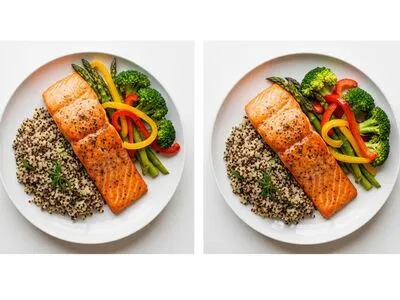
Dinner: Baked salmon (5oz) with roasted broccoli and ½ cup quinoa | 35g protein, 420 calories
Day 2
Breakfast: Protein smoothie: 1 scoop whey protein, ½ banana, 1 cup almond milk, 1 tbsp almond butter, handful spinach | 30g protein, 340 calories
Snack: Cottage cheese (½ cup) with sliced cucumber | 14g protein, 110 calories
Lunch: Turkey and avocado wrap: 4oz turkey breast, ¼ avocado, lettuce, tomato in whole-wheat tortilla | 28g protein, 350 calories
Snack: String cheese with apple slices | 8g protein, 120 calories
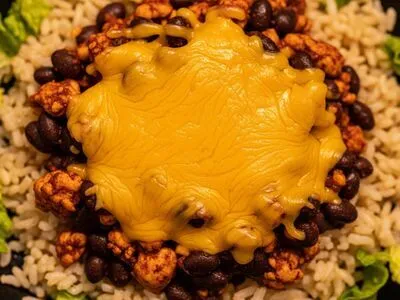
Dinner: Lean ground beef (4oz, 93/7) stir-fry with bell peppers, snap peas, garlic, ½ cup brown rice | 30g protein, 380 calories
Day 3
Breakfast: Omelet (2 eggs + 2 egg whites) with diced peppers, onions, low-fat cheese, served with berries | 30g protein, 300 calories
Snack: Protein bar (15g+ protein, low sugar) | 15g protein, 180 calories
Lunch: Chicken and vegetable soup: 4oz shredded chicken, carrots, celery, zucchini in broth | 28g protein, 240 calories
Snack: Edamame (1 cup) | 18g protein, 180 calories
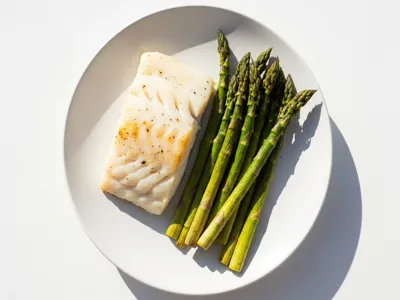
Dinner: Pan-seared cod (6oz) with sautéed green beans and ½ cup wild rice | 34g protein, 360 calories
These meal plans demonstrate proper protein distribution, appropriate portion sizes for Ozempic users, a balance of protein, fiber, and complex carbs, and foods that are gentle on the stomach. Use them as templates and adjust based on your preferences and tolerance.
Protein Targets and Why They Matter
Protein is the most important macronutrient on an Ozempic diet plan. Here's exactly how much you need and why it's non-negotiable for success.
Daily target: 80-120g of protein, depending on your body weight and activity level. A good rule of thumb is 0.7-1.0 grams of protein per pound of your goal body weight. For example, if your goal weight is 150 pounds, aim for 105-150g of protein daily.
Per-meal target: 25-30g of protein at each main meal (breakfast, lunch, dinner) plus 10-15g from snacks. This distribution maximizes muscle protein synthesis throughout the day.
Why protein matters so much on Ozempic: During weight loss, your body breaks down both fat and muscle for energy. Adequate protein intake signals your body to preserve muscle and preferentially burn fat instead. Research shows that people who eat high protein during weight loss lose more fat and preserve more muscle compared to those eating moderate or low protein.
Muscle is metabolically active tissue — it burns calories even at rest. Losing muscle during weight loss means your metabolism slows down, making it harder to maintain your weight loss long-term. Protein also keeps you satisfied longer, has the highest thermic effect of all macronutrients (meaning you burn calories just digesting it), supports skin elasticity during significant weight loss, and provides amino acids for immune function and tissue repair.
Most Ozempic users struggle to eat enough protein because their appetite is so suppressed. You may need to prioritize protein deliberately, even when you're not hungry. Choose protein-dense foods first at every meal, consider protein shakes when solid food feels difficult, and track your intake for a few days to ensure you're hitting targets.
Meal Timing and Injection Day Considerations
When you eat matters almost as much as what you eat on Ozempic. These timing strategies help minimize side effects and maximize results.
General Meal Timing Principles
Eat your first meal within 1-2 hours of waking to start protein intake early and support metabolism. Space meals 3-4 hours apart to allow proper digestion given Ozempic's effect on gastric emptying. Don't eat large meals within 2-3 hours of bedtime — many users find that late heavy meals cause overnight nausea. If you exercise, prioritize protein within 1-2 hours after your workout to support muscle recovery.
Injection Day Strategy
Many Ozempic users report increased nausea on the day of injection and the day after. Plan accordingly. On injection day, eat lighter meals with easily digestible proteins like chicken, fish, or eggs. Avoid rich, fatty, or spicy foods on injection day and the following day. Some users prefer to inject in the evening after eating their last meal so they sleep through the peak side effects. Others inject in the morning on an empty stomach to get it over with early.
Experiment to find what works for your body. There's no universally "correct" injection time — the best schedule is the one you can stick to consistently while minimizing discomfort.
Week-by-Week Guide: What to Expect
Your eating patterns and tolerance will evolve as you progress through Ozempic treatment. Here's what to expect and how to adjust your diet plan over time.
Weeks 1-4: Initial Adjustment
Your appetite drops significantly. Many users report feeling full after just a few bites. Nausea may occur, especially after eating too much or choosing the wrong foods. Focus on small portions, eat slowly, prioritize gentle proteins (chicken, fish, eggs), and avoid trigger foods completely. Don't worry about hitting perfect protein targets yet — focus first on tolerating food without nausea.
Weeks 5-8: Dose Increase
After your first dose increase (typically moving from 0.25mg to 0.5mg weekly), appetite suppression intensifies. You may lose interest in foods you previously enjoyed. This is when protein tracking becomes critical — you're at high risk of under-eating protein. Use protein shakes if solid food feels difficult, track your protein intake daily for at least one week to establish a baseline, and meal prep to ensure protein-rich foods are always available.
Weeks 9-16: Finding Your Rhythm
By now you've adapted to Ozempic's effects. You know which foods work and which don't. Your natural appetite settles into a predictable pattern. Most users find a comfortable eating routine during this phase. Maintain your protein targets, reintroduce variety gradually, and monitor your weight loss — if it stalls for more than 2-3 weeks, you may need to adjust portions or increase movement.
Month 4+: Maintenance Phase
After several months on Ozempic, your eating patterns should feel sustainable and natural. You've likely reached your maintenance dose. Continue prioritizing protein, stay mindful of portion sizes as tolerance may increase slightly over time, and focus on building healthy habits that will support long-term weight maintenance even if you eventually stop Ozempic.
Shopping List for Ozempic Success
Stock your kitchen with these staples to make following your Ozempic diet plan effortless. Having the right foods on hand eliminates decision fatigue and reduces the temptation to reach for less optimal choices.
Essential Proteins
- Chicken breast (fresh or frozen)
- Ground turkey (93/7 or leaner)
- Fish fillets (salmon, cod, tilapia)
- Canned tuna in water
- Eggs (large, cage-free)
- Greek yogurt (nonfat, plain)
- Cottage cheese (low-fat)
- Protein powder (whey or plant-based)
- Tofu or tempeh
- Rotisserie chicken (remove skin)
Vegetables & Fruits
- Mixed salad greens
- Spinach (fresh and frozen)
- Broccoli florets
- Bell peppers (multiple colors)
- Zucchini
- Cherry tomatoes
- Cucumbers
- Frozen vegetable blends
- Fresh berries (blueberries, strawberries)
- Apples
Complex Carbs & Grains
- Quinoa
- Brown rice
- Sweet potatoes
- Rolled oats
- Whole-grain bread
- Whole-wheat tortillas
Pantry & Condiments
- Olive oil
- Balsamic vinegar
- Low-sodium soy sauce
- Garlic (fresh and powder)
- Herbs and spices (basil, oregano, cumin, paprika)
- Low-sodium chicken or vegetable broth
- Almond milk (unsweetened)
- Almonds or walnuts (raw, unsalted)
Buy fresh proteins weekly, stock up on frozen vegetables for convenience, prep proteins in bulk on weekends (grill chicken, hard-boil eggs), and keep healthy snacks visible and accessible. Planning ahead reduces the mental load of decision-making when your appetite is low and you need to prioritize nutrition.
Common Mistakes to Avoid
These are the most common mistakes Ozempic users make with their diet. Avoid these pitfalls for better results and fewer side effects.
Mistake 1: Not eating enough protein. When appetite disappears, it's easy to skip meals or eat carb-heavy snacks. This leads to muscle loss and metabolic slowdown. Solution: Track protein for at least one week to establish awareness, then prioritize protein at every eating occasion.
Mistake 2: Eating too much, too fast. Even though portions are smaller on Ozempic, eating too quickly or too much in one sitting causes nausea and discomfort. Solution: Eat slowly, chew thoroughly, put your fork down between bites, and stop when you feel the first sign of fullness.
Mistake 3: Choosing the wrong foods for your body. Everyone tolerates different foods on Ozempic. What works for someone else may cause you nausea. Solution: Keep a simple food journal for the first month noting what you ate and how you felt. Identify your trigger foods and avoid them.
Mistake 4: Drinking too little water. Dehydration is common on Ozempic, especially in the first weeks. Many users drink less because they're not hungry. Solution: Set hydration reminders, aim for 64-80oz of water daily, and drink water throughout the day rather than large amounts at once.
Mistake 5: Giving up favorite foods completely. Overly restrictive diets lead to burnout. You don't need to eliminate all treats or favorite foods — just be strategic about portions and timing. Solution: Include small portions of foods you enjoy in moderation, saving them for times when you feel your best (typically not on injection day).
Mistake 6: Not adjusting as your dose increases. Each dose increase may require diet adjustments as appetite drops further. Solution: Reassess your eating patterns after each dose change, adjust portion sizes as needed, and maintain protein targets even if overall calories drop.
Meal Prep Tips for Ozempic Users
Meal prep is your secret weapon on Ozempic. When appetite is low and decision fatigue is high, having ready-to-eat protein-rich meals makes success effortless.
Protein prep strategies: Grill or bake 3-4 pounds of chicken breast on Sunday, divide into 4oz portions, and refrigerate or freeze. Hard-boil a dozen eggs for grab-and-go protein snacks. Cook a large batch of ground turkey or lean beef for quick meal additions. Portion Greek yogurt into individual containers with measured berries.
Vegetable prep: Wash and chop bell peppers, cucumbers, and celery for easy snacking. Roast sheet pans of broccoli, cauliflower, and Brussels sprouts seasoned with olive oil and garlic. Steam or sauté spinach and freeze in portions for quick additions to meals.
Grain prep: Cook quinoa or brown rice in large batches and portion into ½-cup servings. Bake sweet potatoes and refrigerate whole — reheat as needed.
Assembly strategy: Create mix-and-match meal components so you're not eating the same thing every day. Combine any protein + any vegetable + any grain for a complete meal. This variety prevents food fatigue while maintaining nutritional consistency.
Store prepped foods in clear glass containers so you can see what's available. Label containers with protein content to make hitting your targets easier. Prep twice per week (Sunday and Wednesday) rather than once weekly to keep food fresh and varied.
Eating Out on Ozempic
You can successfully eat at restaurants while on Ozempic by making strategic choices and planning ahead.
Before you go: Check the menu online and decide what you'll order before arriving. Don't go to a restaurant on an empty stomach — have a small protein-rich snack first. Choose restaurants where you can easily modify dishes (grilled proteins, steamed vegetables, dressings on the side).
Ordering strategies: Start with a protein-focused entrée (grilled chicken, fish, or lean steak). Ask for vegetables instead of fries or other heavy sides. Request sauces and dressings on the side so you control portions. Order an appetizer-sized portion as your main dish — restaurant portions are often too large. Skip bread baskets and chips — save your limited stomach space for protein.
During the meal: Eat slowly and put your fork down between bites. Drink water throughout the meal. Stop eating when you feel the first sign of fullness, even if there's food left. Don't feel obligated to finish your plate — ask for a to-go box immediately and pack up half your meal before you start eating.
Best restaurant choices: Mediterranean restaurants (grilled proteins, vegetable sides, simple preparations). Japanese (sashimi, grilled fish, edamame). American grills (steak, chicken, fish with vegetable sides). Mexican (fajitas, hold the tortillas and rice, extra vegetables). Avoid buffets, all-you-can-eat restaurants, and places where fried foods dominate the menu.
Tracking Progress Beyond the Scale
Weight loss is important, but it's not the only measure of success on your Ozempic diet plan. Track these additional metrics for a complete picture of your progress.
Body measurements: Measure waist, hips, chest, arms, and thighs monthly. You may lose inches even when the scale stalls. Take progress photos every 2-4 weeks in the same lighting and clothing. Visual changes often appear before scale changes.
Energy levels: Notice how you feel throughout the day. Consistent energy suggests adequate nutrition despite lower calorie intake. Persistent fatigue may indicate insufficient protein or calories.
Strength and fitness: Track your performance in physical activities. Can you walk farther? Climb stairs more easily? Lift heavier weights? Maintaining or improving strength suggests you're preserving muscle mass.
Blood markers: Work with your doctor to monitor blood sugar, HbA1c, cholesterol, and other health markers. Improvements in these metrics indicate metabolic health benefits beyond weight loss.
Hunger and satiety: Notice your hunger patterns. Consistent, manageable appetite suppression is ideal. Extreme hunger may indicate your dose is too low or you're not eating enough. Complete absence of hunger lasting weeks may indicate you need to eat more intentionally to meet nutritional needs.
Quality of life: Are you sleeping better? Do your clothes fit more comfortably? Has your confidence improved? These subjective improvements matter as much as objective measures.
When to Adjust Your Diet Plan
Your Ozempic diet plan isn't static — it should evolve based on your progress, challenges, and changing needs.
Adjust if weight loss stalls for 3+ weeks: First verify you're hitting protein targets and staying hydrated. Consider tracking calories for one week to ensure you're in a deficit. Increase physical activity or slightly reduce portion sizes of carbs and fats while maintaining protein.
Adjust if you're losing weight too quickly: Losing more than 2-3 pounds per week consistently may indicate inadequate nutrition. Slightly increase portion sizes, especially of complex carbs and healthy fats. Ensure you're eating at least 1,200 calories daily (1,500+ for men). Consult your doctor or dietitian if rapid loss continues.
Adjust if fatigue is persistent: Add a small serving of complex carbs to each meal for energy. Verify protein intake is adequate. Consider taking a multivitamin to address potential micronutrient gaps. Get bloodwork to check for deficiencies in iron, vitamin D, or B12.
Adjust if nausea worsens: Simplify your diet to bland, easily digestible foods temporarily. Reduce portion sizes even further. Avoid all trigger foods completely for one week. If nausea is severe or causing vomiting, contact your doctor — you may need a dose adjustment.
Adjust after dose increases: Each dose increase typically requires 1-2 weeks of dietary adjustment. You may need smaller portions as appetite drops further, gentler foods if nausea returns, and more deliberate protein intake as overall food volume decreases.
Get the Full Guide
Frequently Asked Questions
What is the best diet plan for Ozempic users?
The best Ozempic diet plan prioritizes protein at every meal (80-120g daily), includes plenty of fiber from vegetables, features small frequent meals, and avoids greasy or fried foods. Focus on lean proteins like chicken, fish, eggs, and Greek yogurt. Pair protein with non-starchy vegetables and moderate portions of complex carbs. Drink water throughout the day and eat slowly to avoid nausea. Most users naturally consume 1,000-1,400 calories daily without counting, leading to consistent weight loss while maintaining muscle mass.
Can I download a free Ozempic diet plan PDF?
Yes — the free Ozempic diet plan pdf is right on this page. Hit the Download button above and you'll get the same seven-meal guide formatted for print, with a full food list and what to avoid. No email, no sign-up.
How much protein should I eat on an Ozempic diet plan?
Aim for 80-120g of protein daily on Ozempic, distributed across 3-4 meals. This typically means 25-30g protein per meal. High protein intake helps preserve muscle mass during weight loss, keeps you satisfied longer, and supports metabolism. Most Ozempic users lose weight more successfully when they prioritize protein over carbs and fat. Good protein sources include chicken breast, fish, eggs, Greek yogurt, cottage cheese, lean beef, and plant-based options like tofu.
What foods should I avoid on an Ozempic diet?
Avoid fried foods, greasy meals, heavy cream sauces, very spicy dishes, sugary drinks, excessive alcohol, and large portions of red meat. These commonly trigger nausea and digestive issues on Ozempic. Also limit carbonated drinks, beans in large amounts, raw cruciferous vegetables, and processed snacks high in sugar and fat. Many Ozempic users find they naturally lose their taste for rich, heavy foods as the medication works — trust your body and avoid foods that make you feel sick.
Do I need to count calories on Ozempic?
Most people don't need to count calories on Ozempic because the medication naturally reduces appetite, creating a calorie deficit without tracking. Focus on hitting your daily protein target (80-120g) and eating until satisfied. Most Ozempic users naturally consume 1,000-1,400 calories per day. If weight loss stalls after several weeks, then consider tracking calories for a few days to ensure you're in a moderate deficit. Prioritize food quality and protein intake over strict calorie counting for best long-term results.