High-Protein Snack Ideas for GLP-1 | Stay Full Between Smaller Meals
10 snacks with 10-20g protein that fit a smaller appetite. No prep, no overeating, no crash — just quick bites when you actually feel like eating.
The best high-protein snacks on GLP-1 medications are small (100-250 calories), require zero prep, and have at least 10g of protein. Mozzarella and turkey roll (14g protein, 180 cal), hard boiled options (12g protein, 155 cal), and Greek yogurt cups (20g protein, 150 cal) are reliables. Eating frequent small amounts often works better than three big plates when your appetite is suppressed by Ozempic, Wegovy, Mounjaro, or Zepbound.
Why Snacking Matters on GLP-1 Medications
There's a misconception that these medications mean you go from three plates a day to... nothing. That's not how it works. What actually happens is your appetite gets smaller, which means large portions become painful. But your body still needs protein and your metabolism still needs calories.
That's where small portions come in. Instead of fighting to finish a lunch-sized plate, you eat smaller amounts more frequently. Five 300-calorie eating windows throughout the day is often easier than two 800-calorie sittings and one skipped plate. And from a muscle-preservation standpoint, it's actually better — your muscles need consistent amino acids throughout the day, not a single dump at dinner.
On Ozempic, Wegovy, Mounjaro, and Zepbound, eating between meals means:
- You hit your daily protein target without forcing giant meals that make you nauseous
- You feel steady all day because you're eating frequent small amounts instead of running on empty between meals
- You preserve more lean mass during weight loss because your body gets consistent signals to hold on to it
- You're less likely to overeat later because you're never letting yourself get desperately hungry
The trick is choosing options that are actually substantial enough to matter, not just nibbling on celery. Ten grams of protein minimum — anything less is a feel-good fake-out. This list is real nutrition, real portions, designed for appetites that are actually suppressed.
10 High-Protein Snacks for GLP-1 Users
Every snack below is 100-250 calories and has 10-20g of protein. No cooking required, no decision-making, no pretending celery is food. These are actual snacks.
1. String Cheese + Turkey Roll
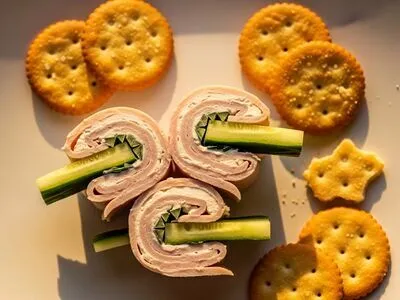
The fastest, least-thinking option. Grab a string cheese and a couple slices of deli turkey, roll the turkey around it, done. The mixed dairy and meat combo keeps your digestive system from having to process massive amounts of one type. No refrigeration needed for a couple hours if you're on the go.
- 1 low-fat mozzarella string cheese (6-8g protein)
- 2 slices low-sodium deli turkey (6-8g protein)
2. Hard Boiled Eggs (2 count)
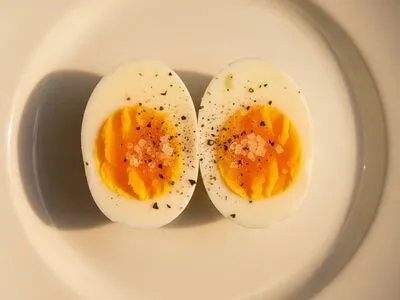
Buy them pre-made from the grocery store. This is the most portable high-protein option on the planet. Two at a time hits the sweet spot, and the fat is enough to keep you satisfied but not so much that it triggers nausea. Pair with a piece of fruit if you need more volume but don't want more calories.
- 2 large hard boiled eggs (pre-made or batch-prep on Sunday)
- Pinch of salt
3. Greek Yogurt Single-Serve Cup
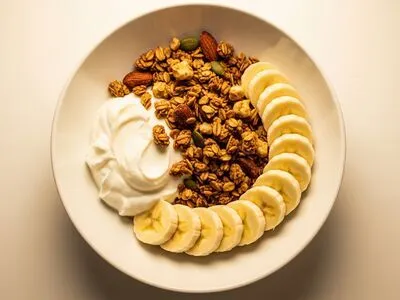
The easiest nausea-day snack. Smooth, cold, requires opening a cup. Most plain Greek yogurt single-serves are 5-7 oz and hit around 18-20g protein with minimal calories. Skip the flavored ones — they're higher in sugar than you need. If plain is too boring, add a few berries while you eat it straight from the container.
- 1 plain Greek yogurt single-serve cup (5-7 oz)
- Optional: handful of berries stirred in
4. Beef Jerky (Quality Brand)
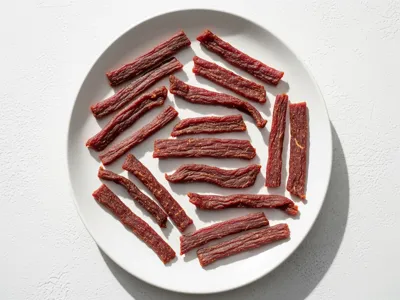
Jerky's reputation for being "sketchy gas station food" is wrong when you pick the right brand. Look for kinds with no added sugar and less than 500mg sodium per serving. Primal Strips, Biltong, and Chomps all deliver 15g protein in a small, shelf-stable package. It forces you to chew slowly, which naturally prevents overeating.
- 2 oz quality beef jerky (low sugar, grass-fed brands preferred)
- 1-2 oz water alongside (helps digestion)
5. Cottage Cheese with Fruit
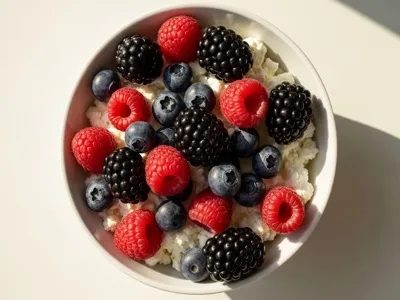
Cottage cheese is having a moment and deserves it. One half-cup single-serve cup has 14g of nutrients your muscles need and one of the lowest GI impacts of any dairy. Add a small handful of berries or peach slices — the fruit adds texture and slight sweetness without adding much calories. If the texture bothers you, blend it with the fruit and you've got a thick pudding.
- 1/2 cup low-fat cottage (14-16g protein)
- 1/4 cup berries or sliced peach
6. Protein Bar (High-Protein, Low-Sugar)
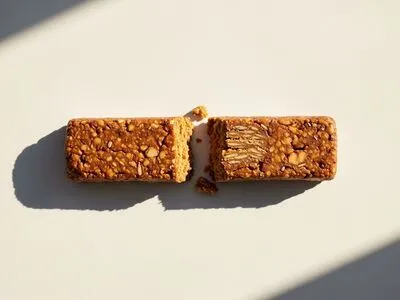
Not all protein bars are created equal. The ones at gas stations with 2-3g protein are just candy. What you want: RXBAR, KIND Protein, or Built Bars — all have 15-20g protein, less than 5g sugar, and actually taste decent. Keep one in your bag. When appetite is random, at least you have something protein-dense that won't trigger blood sugar crash.
- 1 high-protein bar (RXBAR, KIND Protein, Built Bar, or similar — check label)
- Look for: 15-20g protein, under 5g sugar, under 250 calories
7. Roasted Chickpeas (Homemade or Store-Bought)
Chickpeas are sneakily high-protein. A quarter-cup of roasted chickpeas has 12g protein and a satisfying crunch that makes you feel like you're snacking on something more substantial. You can buy them pre-roasted (Harvest Snaps, Biena) or make a batch on Sunday by draining canned chickpeas, seasoning with paprika and salt, and roasting at 375°F for 30 minutes.
- 1/4 cup roasted chickpeas (store-bought or homemade)
- Seasoning: paprika, cumin, black pepper, salt
8. Nut Butter + Apple Slices
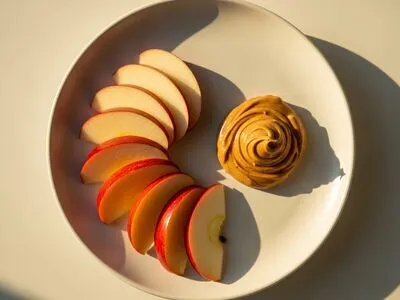
The peanut butter and apple combo is classic for a reason. One tablespoon of natural peanut or almond butter has 3-4g protein, and when you add a scoop of protein powder to it first, you're hitting 10-12g. The apple adds fiber and volume. Dip the apple slices in the PB for a snack that feels more indulgent than it is.
- 1 tbsp natural peanut or almond butter mixed with 1/2 scoop protein powder
- 1 small apple, sliced
9. Protein Energy Balls (No-Bake)
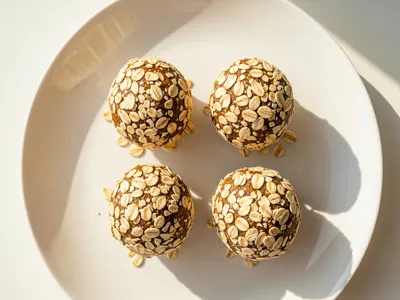
Make a batch of five or six on Sunday — takes 10 minutes, keeps all week. Mix protein powder, natural peanut butter, and oat flour, roll into balls, refrigerate. One ball is a self-contained protein snack that tastes like a treat but has actual nutrition. Portion-controlled so you can't accidentally eat four of them.
- 1 no-bake protein ball (recipe: 1 cup oat flour, 1/2 cup natural peanut butter, 1 scoop chocolate protein powder, 2 tbsp honey — mix, roll into 12 balls, refrigerate)
10. Edamame (Frozen, Pre-Cooked)
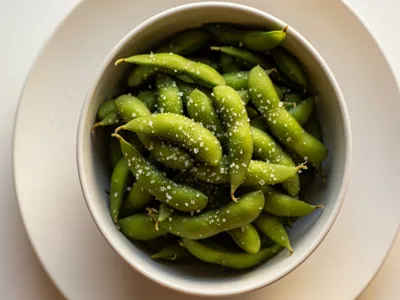
One cup of shelled edamame has 18g protein and it's the perfect grab-and-eat experience — you eat them slowly one by one, it takes time, your brain registers that you're eating something. Buy the pre-shelled frozen kind so there's zero prep. Thaw for a couple minutes or eat them cold right from the freezer if your mouth can handle it — some people find frozen edamame less triggering for nausea than room temperature.
- 1 cup frozen shelled edamame, thawed (or eaten partially frozen)
- Light salt if desired
When to Snack on Your Injection Cycle
Timing matters. Your appetite and nausea aren't constant throughout the week.
Days 1-2 after injection (appetite lowest, nausea highest): If you're eating at all, go for the easiest options — Greek yogurt cups, cottage, or something cold and smooth. Anything that doesn't require heavy chewing. Don't force it. If you only get one small portion down in a whole day, that's fine. Quality over quantity.
Days 3-5 (appetite returning, nausea fading): This is when you can handle more texture and complexity. Jerky, roasted chickpeas, bars, nut butter with apple. Your stomach is more cooperative. Take advantage of the appetite window.
Days 6-7 (appetite near normal, nausea minimal): You can eat almost anything from this list without concern. This is when you prep your food for next week, because you know after your next injection, the cycle starts again.
Between planned portions: Don't force eating just because it's "time." On your medication, you eat when you have appetite, not on a schedule. If you're not hungry at 10 am, don't eat at 10 am. Wait until you feel it. This is one of the few approaches where eating less is not something you're forcing — it's biological. Work with your body, not against it.
Snacks to Avoid on GLP-1 Medications
These are the foods that look healthy but sabotage you on your medication:
Low-protein granola bars. A "healthy" granola bar might have 200-300 calories and only 3g of actual nutrition. You're eating mostly carbs and sugar with a veneer of healthiness. The bar eats your calorie budget for almost no muscle-preserving benefit. Skip it. Get the high-protein bar instead.
Chips, crackers, popcorn. These are empty calories designed to make you eat more. On a normal diet with normal appetite, you can have a serving. On your medication with 1/3 your normal appetite, you're wasting precious calorie space on something that has zero protein and doesn't help your body one bit.
Candy, gummies, chocolate (without protein). Same issue as crackers. You get a blood sugar spike, a dopamine hit, and then a crash. All for calories that did nothing for your body. If you want sweet, make it count — protein-dense sweets like no-bake balls or a protein bar, not candy.
High-fiber "health" options. Almonds, chia seeds, flax — all high in protein so they seem smart, but they're also very high in fiber. With a smaller stomach and slower GI transit on your medication, too much fiber at once can cause serious bloating. An ounce of almonds is fine. Half a cup is a bloating disaster waiting to happen. Stick to the choices on this list that have been tested for actual tolerability on these meds.
Protein shakes as full meals. Okay — this is a food list, but I'm putting it here anyway. A shake is fine as a small addition between sittings. As a replacement for a full meal? Only if you're genuinely too nauseous to eat. Whole foods preserve more lean mass long-term than shakes alone.
Easy Snacks for Energy Between Meals on GLP-1
One of the biggest complaints on these medications is the afternoon dip. You're eating less, your body is adjusting, and somewhere around 2 pm you hit a wall. That mid-afternoon crash isn't just in your head — it happens because your blood sugar drops when you go too long without eating. The fix is easy: small, nutrient-dense portions between your main sittings that keep you steady without forcing a full plate.
The best options combine lean protein with a small amount of complex carbs. The carbs give you a quick but stable boost, and the protein keeps it going for hours. Think of it like kindling and a log — the carbs light the fire, and the protein keeps it burning. A handful of roasted chickpeas with a few almonds, or Greek yogurt with a drizzle of honey and a few oat clusters, are easy ways to get both in one portion.
Why does this matter for weight loss? Because when you crash, your willpower crashes with it. People who let themselves get exhausted and starving on these meds are the ones who end up grabbing whatever is closest — usually something with zero nutrition. Keeping yourself fueled through small, planned portions means you make better choices all day long. It also means you're more likely to stay active, which supports your weight loss goals even further.
Here are a few easy combinations that take under 30 seconds to put together:
- Apple slices + 1 tbsp almond butter — easy to pack, gives you fiber and fat for a sustained boost
- Turkey roll-ups with cucumber — cool, refreshing, and gentle on the stomach
- A small handful of mixed nuts + one mozzarella stick — balanced fat and protein in two servings
- Cottage bowl + a few pineapple chunks — the sweetness makes it feel like a treat, not a chore
- Edamame + a sprinkle of sea salt — plant-based with a satisfying crunch
The common thread? All of these are simple to prepare, gentle on the stomach, and give you real staying power — not a sugar spike followed by a crash. Keep two or three of these ready in your fridge at all times. On days when your appetite is low, even one small portion from this list is better than nothing.
How Eating Between Meals Supports Muscle and Nutrition on GLP-1
Here's something most people don't think about when they start these medications: you're not just losing fat. Without the right nutrition plan, you can lose a significant amount of lean mass too. Studies show that up to 40% of the weight lost on these drugs can be lean tissue — and that's a problem. Your lean mass is what keeps your metabolism running, helps you stay mobile, and makes daily life easier as you get older.
This is exactly why eating between meals matters so much. Every time you eat something with at least 10g of protein, you send a signal to your body that says "keep the lean tissue." Your system needs those signals spread throughout the day. Eating all your protein at dinner isn't enough — you need consistent fuel to support muscle retention during active weight loss.
A nutrition professional who works with these patients will tell you the same thing: aim to eat something with protein every 3-4 hours when you're awake. That doesn't mean forcing giant portions. It means small, nutrient-rich choices — the kind on this list. The nutrition research is clear on this. Spreading your intake across the day leads to better preservation than cramming it into one or two large sittings.
What should you focus on beyond protein? Here's the short list:
- Leucine — the amino acid that most directly triggers growth. Found in dairy, poultry, and meat-based options.
- Vitamin D — supports strength and bone health. Many users on these meds are deficient. A fortified yogurt cup can help.
- Magnesium — helps with stamina and recovery. Almonds and edamame are good plant-based sources.
- Iron — carries oxygen to your working tissues. Jerky and chickpeas are solid options.
If you're unsure whether your nutrition is on track, ask a registered professional for a quick review. Many offer single-session consultations where they look at your daily intake and flag any gaps. It's worth the investment — especially during the first few months of weight loss when your body is changing the fastest.
Quick Grab-and-Go Options for Busy Days
Let's be honest — some days you barely have time to think about food, let alone prepare anything. On those days, you need grab-and-go options that require zero thought and zero prep. The easier something is to eat, the more likely you are to actually eat it. And on these medications, where appetite windows are short and unpredictable, having something ready at arm's reach can make or break your daily nutrition.
Here's a quick list of portable options you can keep at your desk, in your car, or in your bag:
- Pre-portioned jerky bags — shelf-stable, 15g of protein, fits in a pocket
- Single-serve nut butter packets — squeeze onto a banana or eat straight from the packet for an easy boost
- Mini protein bars — smaller than full-size bars, around 10g per serving, won't overwhelm a small appetite
- Roasted chickpea packs — crunchy, wholesome, and available in most grocery stores now
- Pre-packed cottage cups — grab from the fridge, eat with a spoon, done in two minutes
- Pre-peeled hard boiled options from the deli section — ready to eat, no cooking required
The goal isn't perfection. The goal is making sure that when your body gives you a 20-minute appetite window, you have something within reach that actually delivers real value — not empty calories. Stock up once a week. Keep a rotation of three or four easy favorites. On days when you're dragging and your appetite is barely there, even one small portion of something nutrient-dense is a win for your weight loss journey.
Frequently Asked Questions
How often should I eat between meals on GLP-1 medications?
How often you eat depends on your appetite and medication timing. Many users find that 1-2 small portions between sittings works better than trying to eat three big plates. The key is consistency — eating small amounts frequently can be easier on your stomach than forcing larger portions and helps maintain lean mass during weight loss.
What makes a good snack on GLP-1 medications?
A good option on your medication should have 10-20g of protein, be 100-250 calories, and require minimal prep. It should also be easy to digest — focused on lean protein rather than high fat or high fiber. Portable choices like turkey roll-ups, jerky, and yogurt cups work well because you can grab them when you have an appetite window, without planning ahead.
Can I snack right after my GLP-1 injection?
Most people experience the strongest nausea in the first 24-48 hours after their injection, so eating immediately after isn't ideal. Wait a few hours, and when you do eat, choose cold, smooth options like Greek yogurt or cottage-style dairy rather than anything requiring heavy chewing. By day 3-4 after injection, you can usually tolerate any option on this list.
Should I snack between meals or instead of meals on GLP-1?
This depends on your individual appetite and how your body responds. Some people find three small meals plus one portion between them works best. Others do better with two moderate meals and 2-3 small portions spread out. The goal is to hit your daily protein target (0.7-1g per pound of body weight) in a way that doesn't trigger nausea. Track how you feel with different patterns and adjust accordingly.
What snacks should I avoid on GLP-1 medications?
Avoid anything high in sugar, empty carbs, or unhealthy fats — chips, candy, low-protein granola bars, regular crackers. These won't satisfy your appetite, won't help your body, and can trigger GI upset. Also avoid options that are too high in fiber if you're prone to bloating. Stick to choices with real nutrition. If it has less than 10g of protein per 200 calories, it's not a smart choice on your medication.
Do I need to talk to a dietitian about my GLP-1 eating plan?
A registered dietitian can be very helpful, especially in the first few months on GLP-1 medications. They can review your daily nutrition, make sure you're getting enough to support muscle during weight loss, and adjust your plan based on how your body responds. Many consultations are covered by insurance when tied to a weight loss prescription. Even one session can help you set up a simple, sustainable eating pattern.
How do I keep my energy up on GLP-1 medications?
Steady energy comes from eating small, balanced portions throughout the day rather than going long stretches without anything. Pair a source of protein with a small amount of complex carbs — like nut butter on an apple or yogurt with a few oat clusters. This gives you a quick boost that lasts. Staying hydrated also helps. Many users find that how they feel improves once they get into a routine of planned, easy options between meals.